
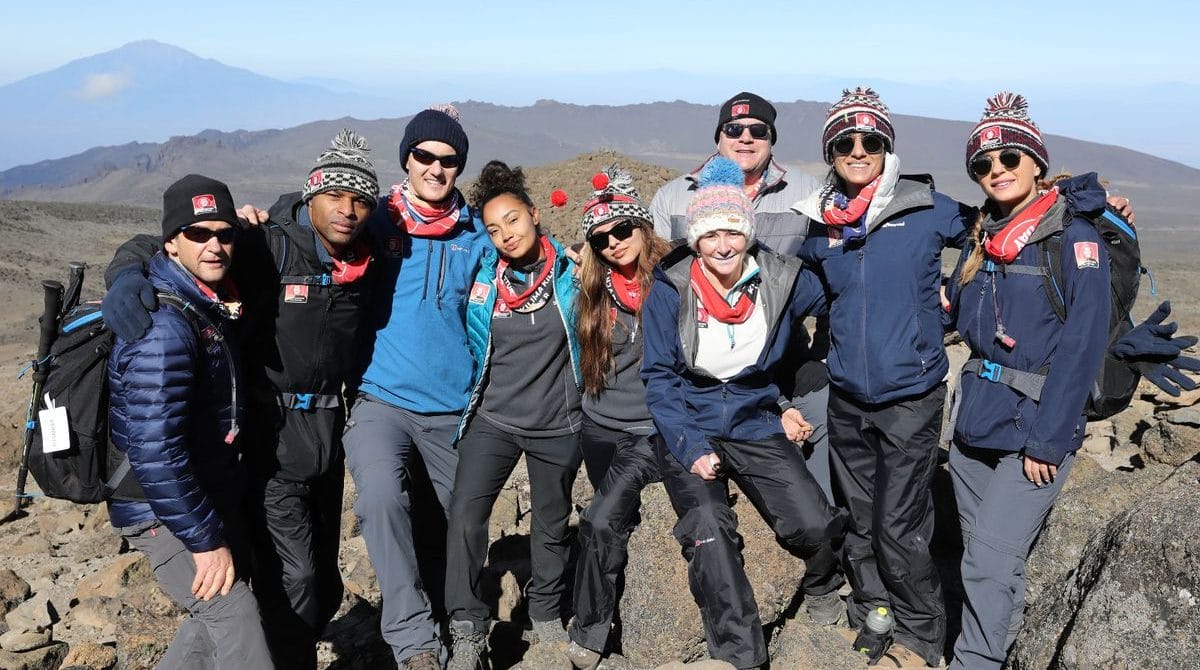
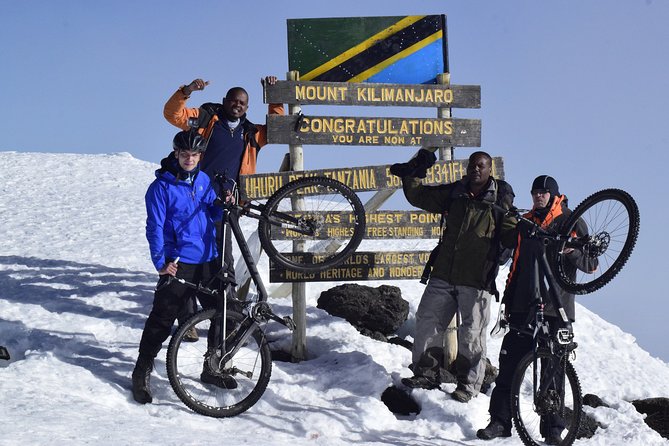
“Scaling the ‘Roof of Africa’ is a life-changing experience, and having the right Kilimanjaro climbing tips is essential. It requires more than just physical strength—it requires meticulous planning…”
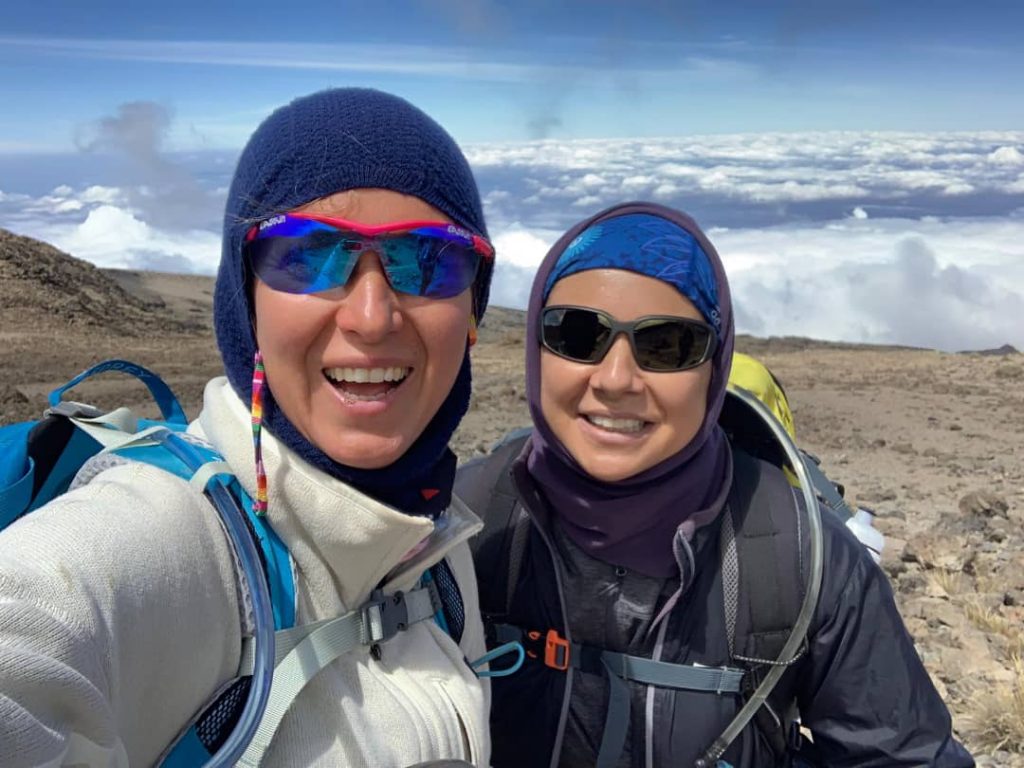
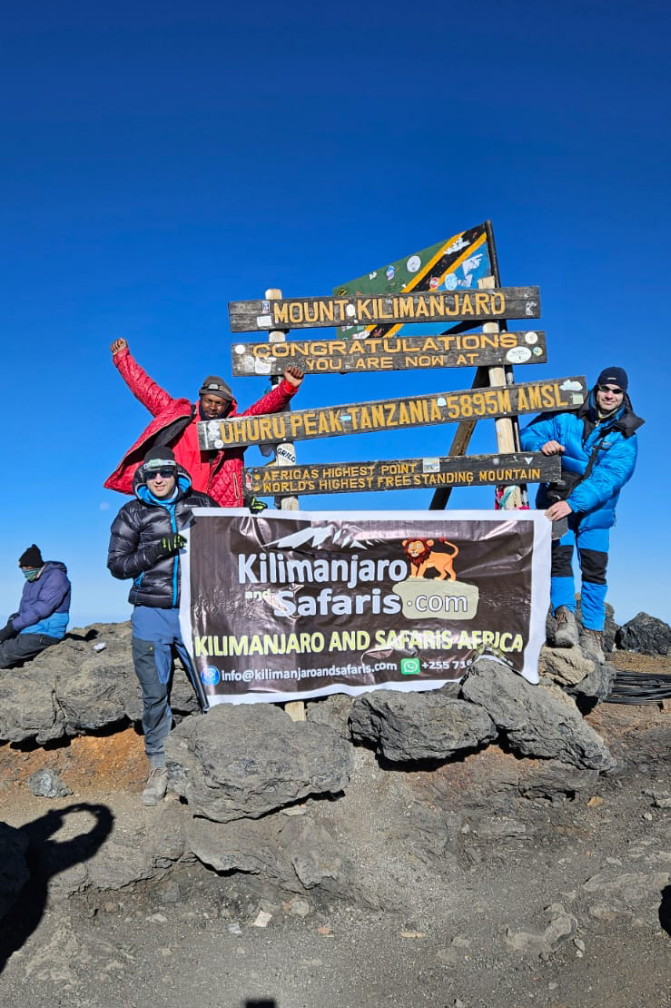
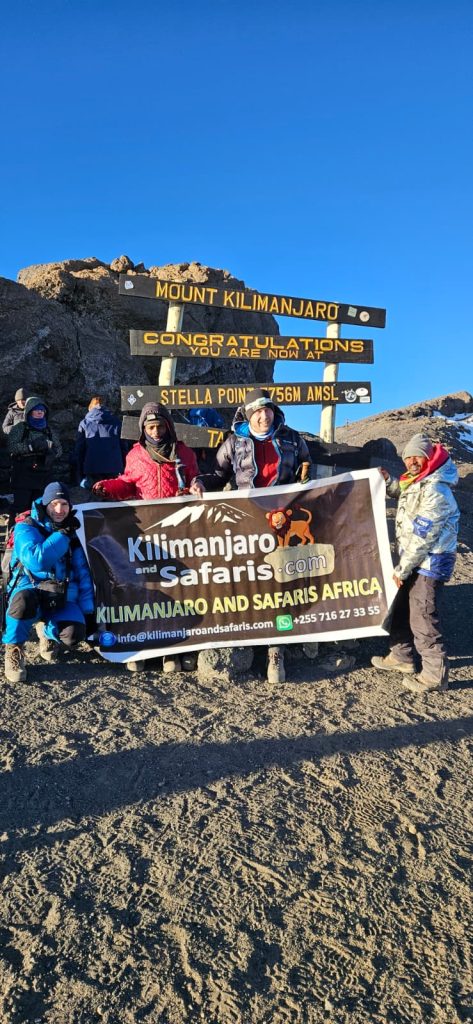
1. Kilimanjaro Climbing Tips: Choose the Right Route for Your Experience
Not all paths to the summit are created equal. Your choice of route will determine the scenery, the challenge, and your success rate.
- Lemosho & Machame: Highly recommended for excellent “climb high, sleep low” acclimatization.
- Marangu: The only route with hut accommodations (the “Coca-Cola” route).
- Rongai: The best option during the rainy season as it approaches from the drier north side.
2. Prioritize Acclimatization Over Speed
The golden rule on Kilimanjaro is “Pole Pole” (Slowly, Slowly). Altitude sickness is the primary reason climbers fail to reach the summit. One of the most vital Kilimanjaro climbing tips we share with our guests is to ‘climb high and sleep low,’ as this is the most effective way for your body to adjust to the altitude.
- Choose longer itineraries: A 7 or 8-day trek significantly increases your chances of reaching Uhuru Peak compared to a 5-day trek.
- Hydrate constantly: Aim to drink at least 3–4 liters of water daily to help your body adjust to the thin air.
3. Train Your Body and Mind
You don’t need to be an elite athlete, but you do need stamina.
- Focus on hiking: The best way to train for hiking is by hiking. Practice walking for long hours on hilly terrain.
- Wear your boots early: Avoid blisters by breaking in your hiking boots at least two months before your arrival.
- Physical Preparation: Training for the Trek Preparing your body for a Kilimanjaro climb is as much about mental endurance as it is about physical strength. We recommend starting your training at least two to three months before your departure. Focus on cardiovascular exercises such as hiking, running, or cycling to build your lung capacity.
- However, the most effective training is hiking on inclines while wearing the boots and backpack you plan to use on the mountain. This helps condition your legs and prevents blisters. Don’t forget to include strength training for your core and legs, which will provide the stability needed for the rocky terrain of the Machame or Lemosho routes.
4. Pack Smart: The Layering System
Weather on Kilimanjaro changes from tropical heat at the base to arctic midnights at the summit. When looking for practical Kilimanjaro climbing tips, experienced guides always emphasize the importance of moisture-wicking base layers to keep you dry and warm throughout the trek.
- The Layering Rule: Use moisture-wicking base layers, insulating fleeces, and a waterproof/windproof outer shell.
- Essentials not to forget: A high-quality -15°C rated sleeping bag, polarized sunglasses, and a reliable headlamp with extra batteries.
5. Timing is Everything
While Kilimanjaro can be climbed year-round, certain months offer a much smoother experience.
- Best Windows: January–March (Colder but very clear) and June–October (The peak season with the best weather).
- Full Moon Climbs: Plan your summit night to coincide with a full moon for breathtaking views of the glaciers lit by moonlight.
6. Book with a Certified and Responsible Operator
Your safety depends entirely on your mountain crew.
- Professional Guides: At Climb Kilimanjaro and Safaris, our guides are highly trained in high-altitude medicine and emergency protocols.
- Porters’ Welfare: Ensure your operator is committed to fair wages and proper gear for the porters—the true heroes of the mountain.
7. Health and Documentation
- Medical Check-up: Consult your doctor before booking to ensure you are fit for high-altitude trekking.
- Travel Insurance: Ensure your policy specifically covers “High Altitude Trekking up to 6,000 meters” and emergency helicopter evacuation.
Ready to Conquer the Roof of Africa?
Planning a Kilimanjaro climb can be overwhelming, but you don’t have to do it alone. At Climb Kilimanjaro and Safaris, we handle all the logistics—from airport transfers to expert mountain guiding—so you can focus on the climb of a lifetime.
Conclusion: Your Journey to the Summit Starts Here Reaching the “Roof of Africa” is a monumental achievement that stays with you forever. By following these Kilimanjaro climbing tips and choosing a responsible tour operator, you are well on your way to a safe and successful summit. Remember, the mountain is not just a destination but a journey of self-discovery.
Are you ready to take the first step toward Uhuru Peak? Contact our team today to start planning your 2026 adventure. We are here to ensure every detail of your trek is handled with expertise and care.


