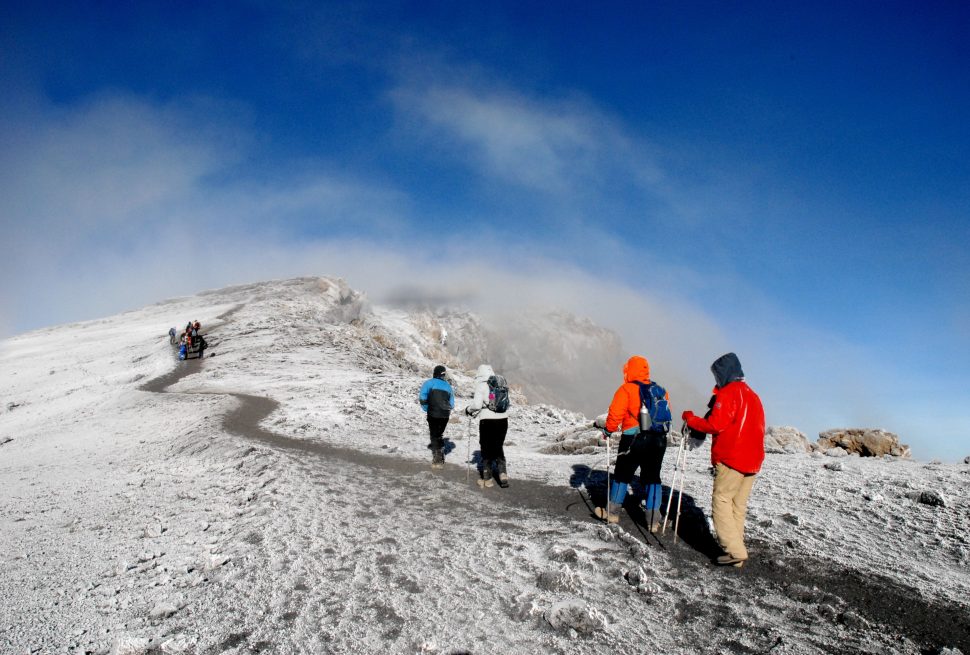
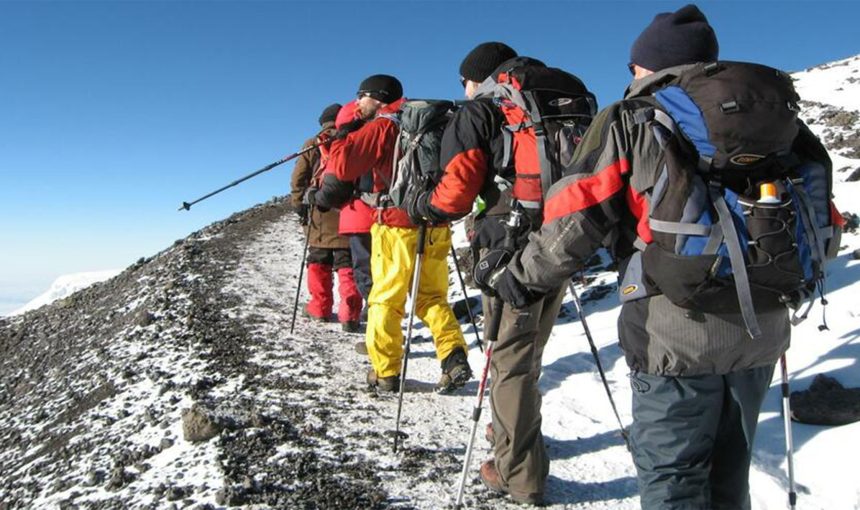
The biggest fear for most climbers isn’t the cold or the steep trails—it’s Altitude Sickness (Acute Mountain Sickness – AMS). At 5,895 meters, the air at the summit of Mount Kilimanjaro has about half the oxygen found at sea level.
Understanding AMS is the key to a successful summit. In this guide, we debunk common myths and share the truths that will keep you safe on your journey to the “Roof of Africa.”
The 5 Common Myths About Altitude Sickness
- Myth: Fitness prevents AMS. * Truth: Altitude sickness doesn’t care how many marathons you’ve run. It affects Olympic athletes and casual hikers alike. Your body’s ability to acclimatize is genetic and biological, not based on muscle strength.
- Myth: Only “weak” climbers use Diamox. * Truth: Diamox (Acetazolamide) is a proven tool to help your body acclimatize faster. Many successful summiters use it as a preventive measure under medical advice.
- Myth: You should “tough it out” if you have a headache. * Truth: Ignoring a persistent, worsening headache is dangerous. On Kilimanjaro, honesty with your guide is your best insurance policy.
- Myth: You must be a fast hiker to reach the top. * Truth: Actually, the faster you go, the higher your risk of AMS. Speed is your enemy; Pole Pole (slowly) is your best friend.
- Myth: If you get AMS, your climb is over. * Truth: Most climbers experience mild symptoms (slight headache or nausea). With proper rest, hydration, and a professional guide’s care, many recover and reach the summit successfully.
The 5 Life-Saving Truths for a Safe Climb
- Walk “Pole Pole” (Slowly): Going slowly allows your body to adjust to decreasing oxygen levels gradually.
- Hydrate, Hydrate, Hydrate: Drink at least 3–4 liters of water daily. Dehydration mimics and worsens the symptoms of altitude sickness.
- Climb High, Sleep Low: Routes like Machame and Lemosho allow you to trek to a higher altitude during the day and sleep at a lower elevation at night, which triggers your body to produce more red blood cells.
- Listen to Your Guide: Our silver-level guides perform twice-daily health checks using pulse oximeters to monitor your oxygen saturation and heart rate.
- Descend if Necessary: The only “cure” for severe AMS is descent. Our team is trained to recognize the early signs and will always prioritize your life over the summit.
Safety First with Climb Kilimanjaro and Tanzania Safari
We don’t just guide you; we look after you. Our mountain kits always include emergency oxygen cylinders, hyperbaric bags (on request), and comprehensive first-aid supplies. With us, you are in the safest hands in Tanzania.