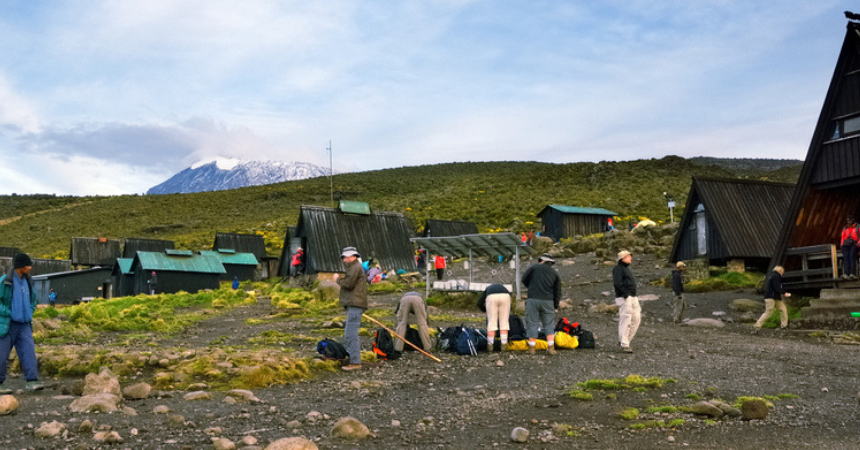
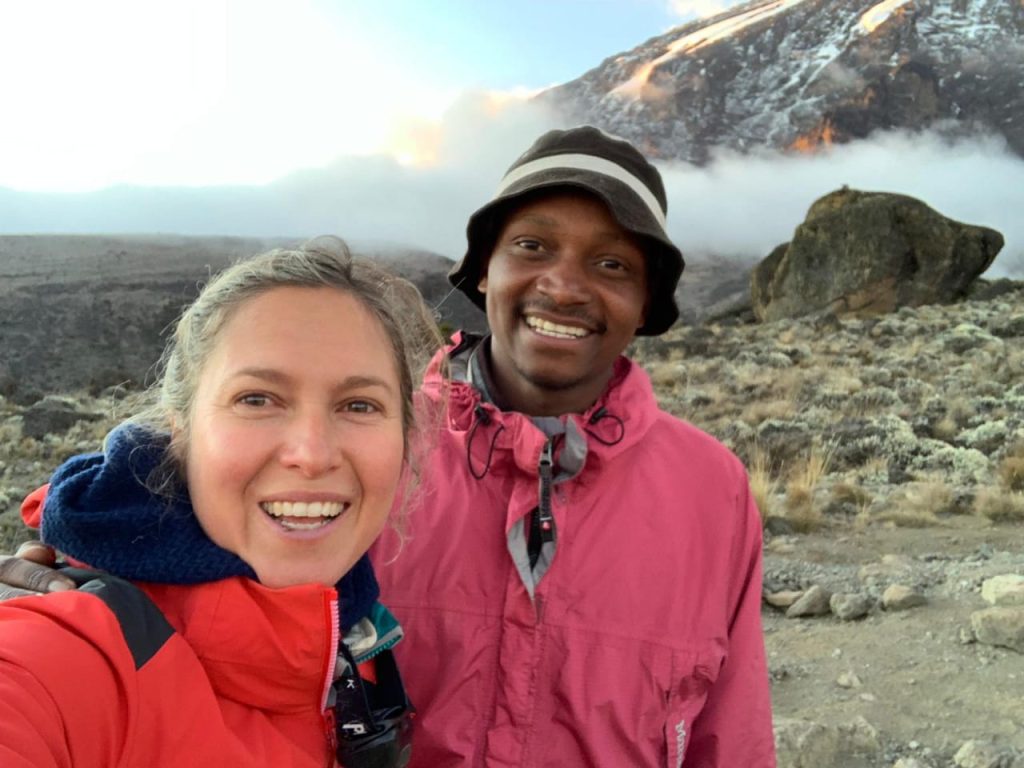
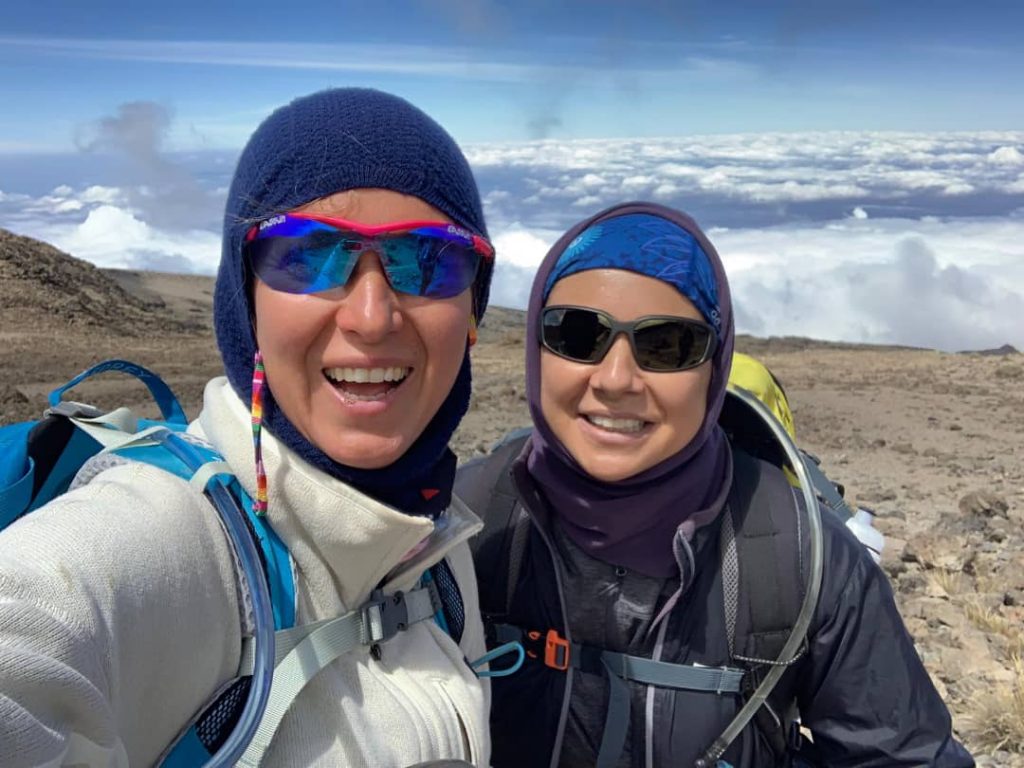
If you are planning to stand on the “Roof of Africa,” timing is everything. While Mount Kilimanjaro is open for trekking year-round, the weather can make the difference between a miserable, rain-soaked hike and a glorious, sun-drenched summit success.
At Climb Kilimanjaro and Tanzania Safari, we want you to have the best experience possible. In this guide, we break down the best time to climb Kilimanjaro by month, season, and summit success rates.
1. The Quick Verdict: When is the Absolute Best Time?
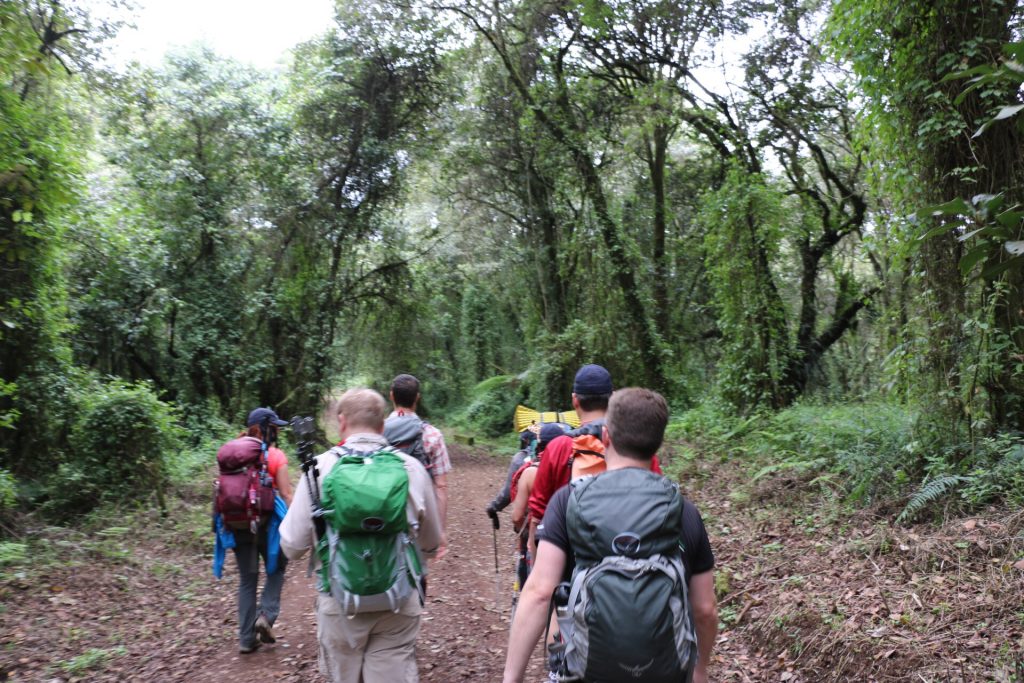
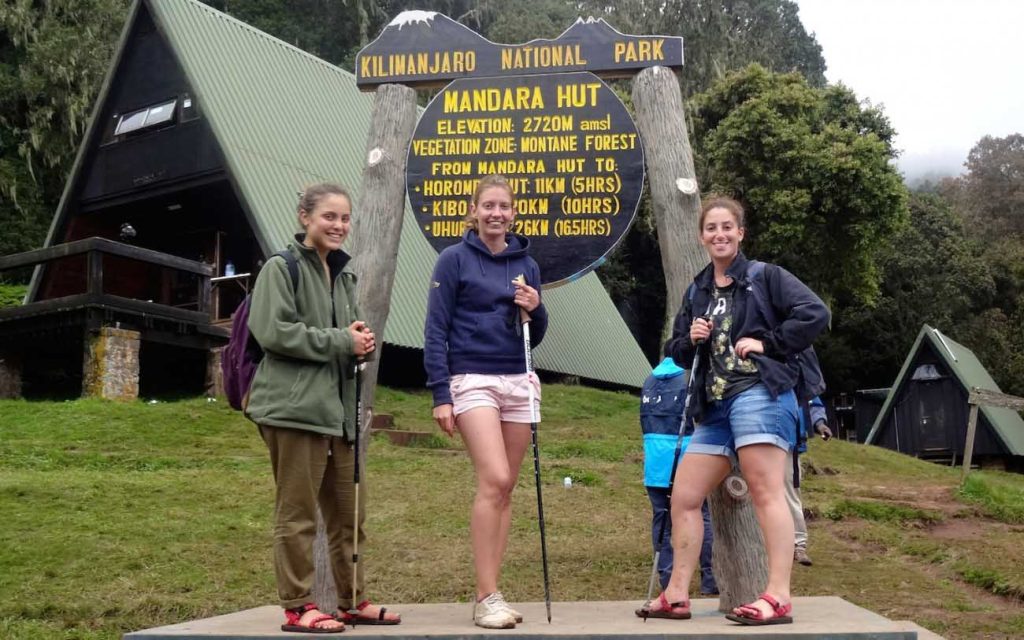
For the highest summit success rates and clear skies, the best months are:
- January to early March: Clear, warm, and very scenic.
- June to October: Cooler but dry and very stable weather.
2. Month-by-Month Breakdown
January – March (The Best High-Season)
This is arguably the best time for beginners. The weather is generally dry, clear, and warmer than the June–October season.
- Pros: High visibility and great for photography.
- Cons: It can get crowded on popular routes like Machame.
April – May (The Long Rainy Season)
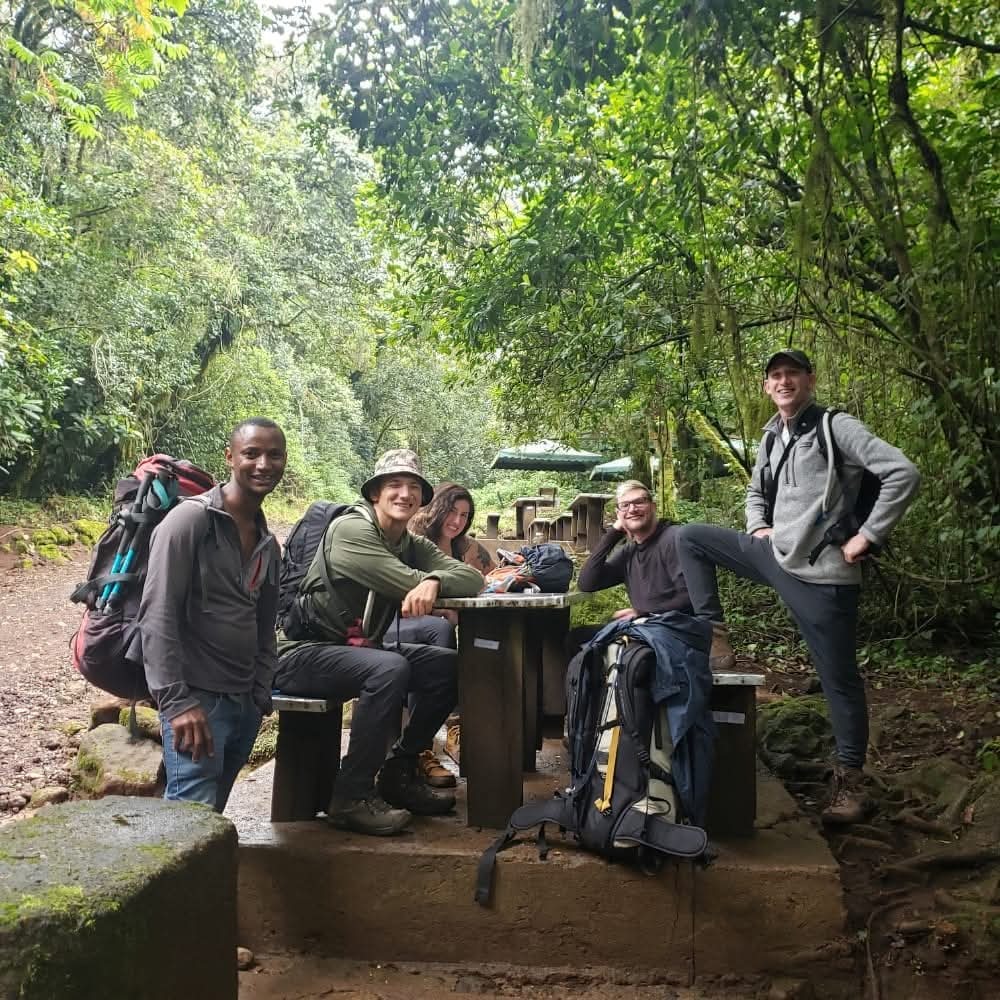
This is when the heavy rains hit Tanzania. The clouds often obscure the mountain, and the trails become muddy and slippery.
- Verdict: Only for experienced trekkers who enjoy solitude and don’t mind getting wet.
- Expert Tip: If you must climb now, choose the Marangu Route for hut accommodation.
June – October (The Dry & Cool Season)
This coincides with the summer holidays in Europe and North America. It is the busiest time on the mountain.
- Pros: Extremely stable weather.
- Cons: It can be very cold at night.
November (The Short Rains)
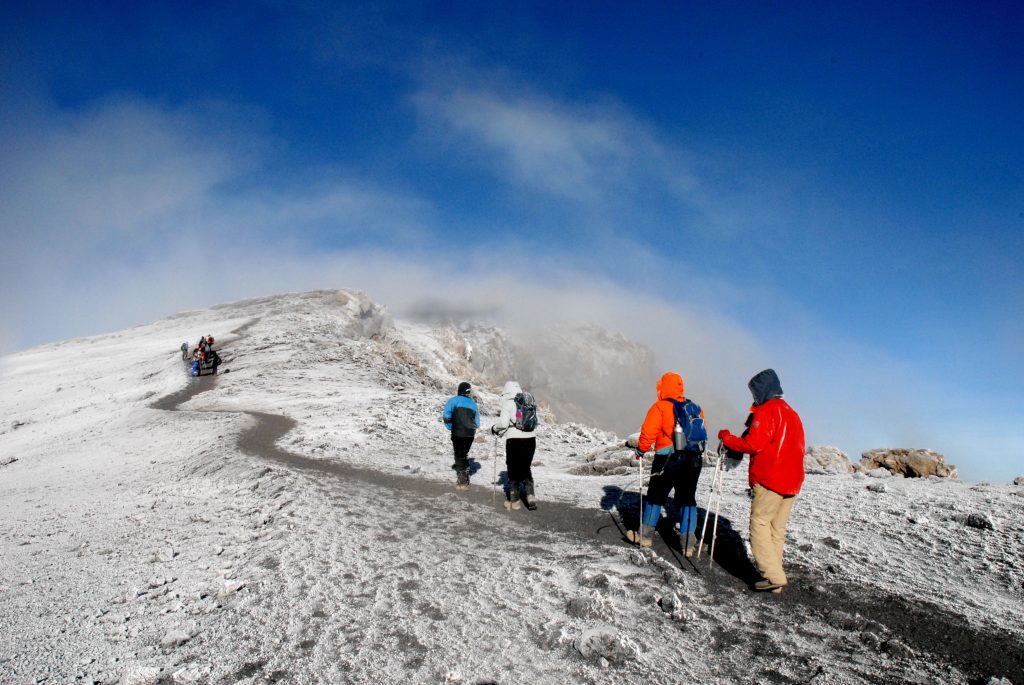
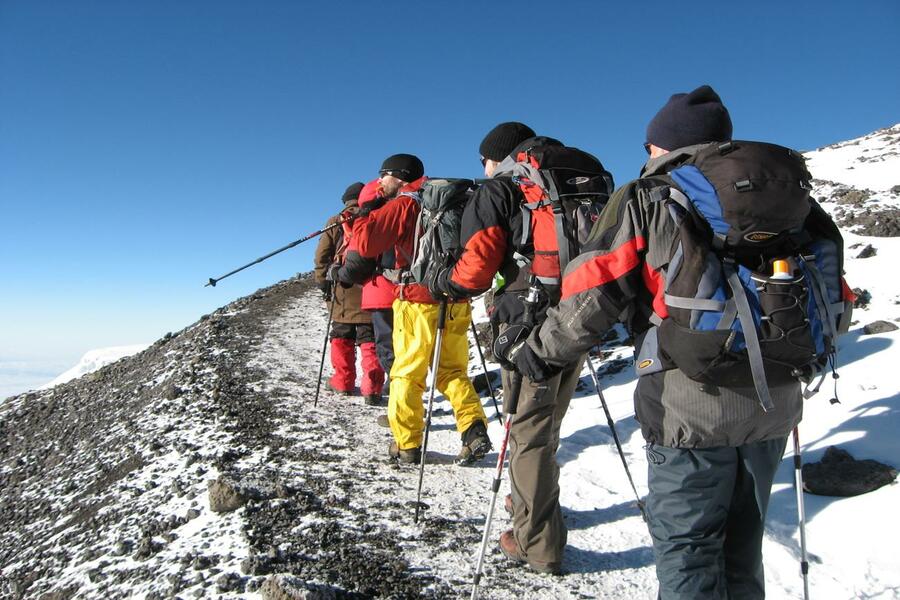
November sees short bursts of rain, usually in the afternoons.
- Verdict: A good time if you want to avoid crowds but are prepared for some rain.
December (The Holiday Peak)
The second half of December is incredibly popular for Christmas and New Year summits.
3. Climbing During a Full Moon: The Magic Experience
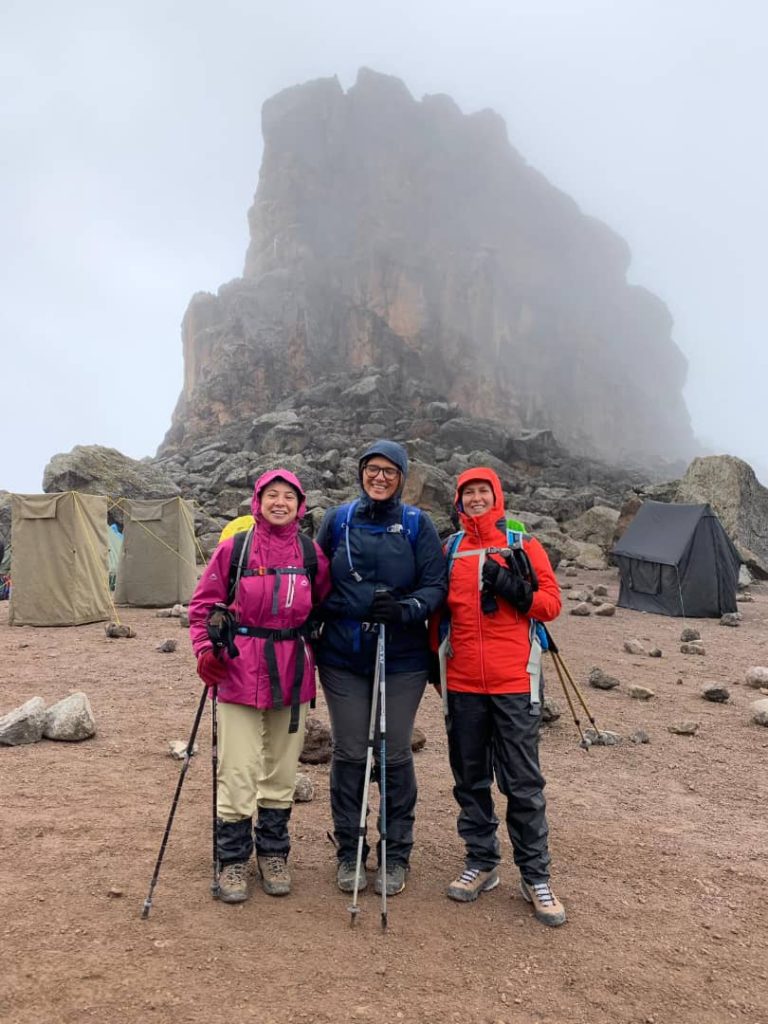
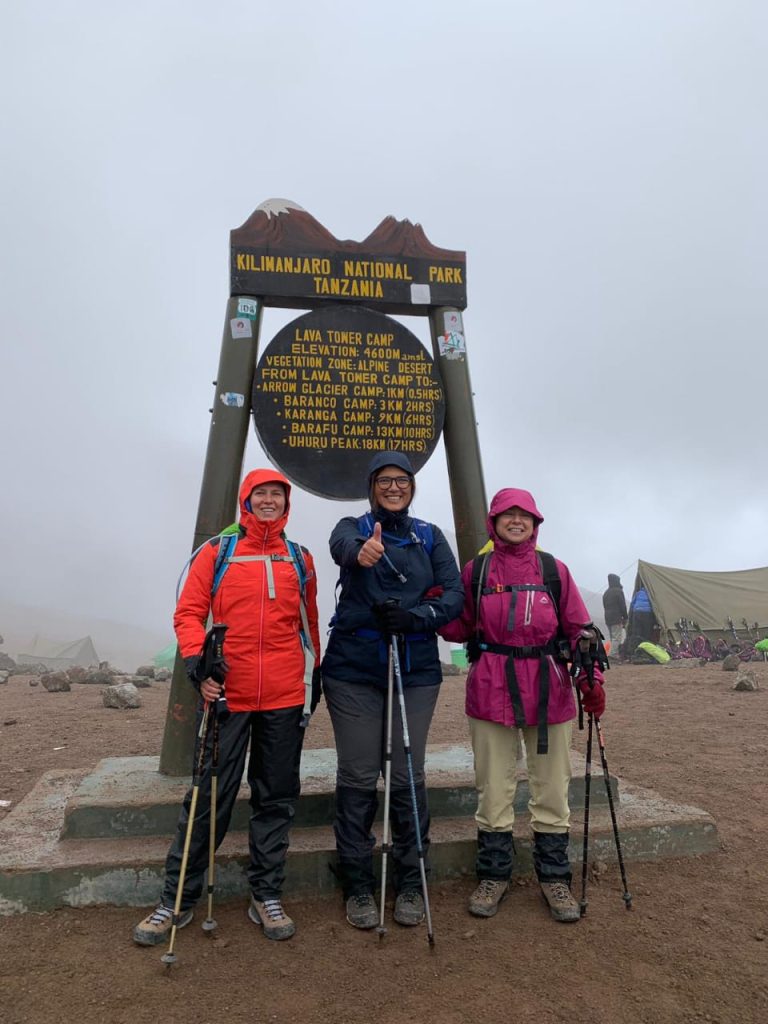
Many of our clients at Kilimanjaro and Safaris Africa specifically request to summit during a Full Moon.
- Why? The bright moonlight illuminates the glaciers and the crater, making the final midnight ascent to Uhuru Peak magical. You won’t even need your headlamp!
To plan your climb around the lunar cycle, refer to this 2026 Full Moon Calendar to pick your perfect summit date.
4. Temperature and Weather Expectations
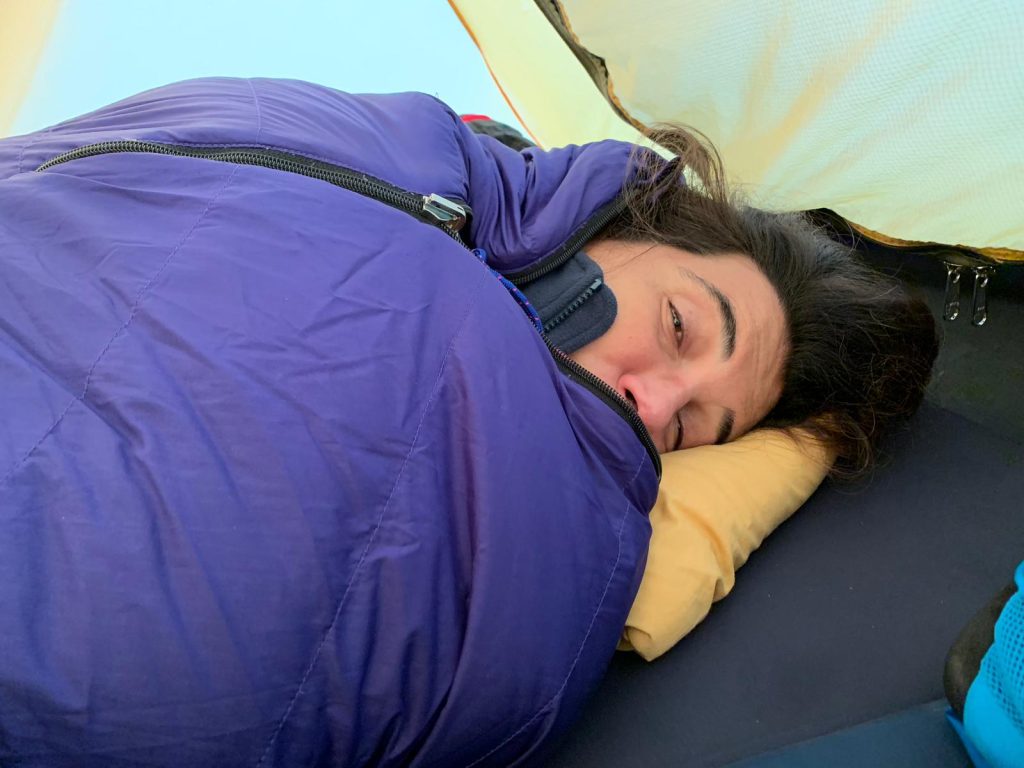
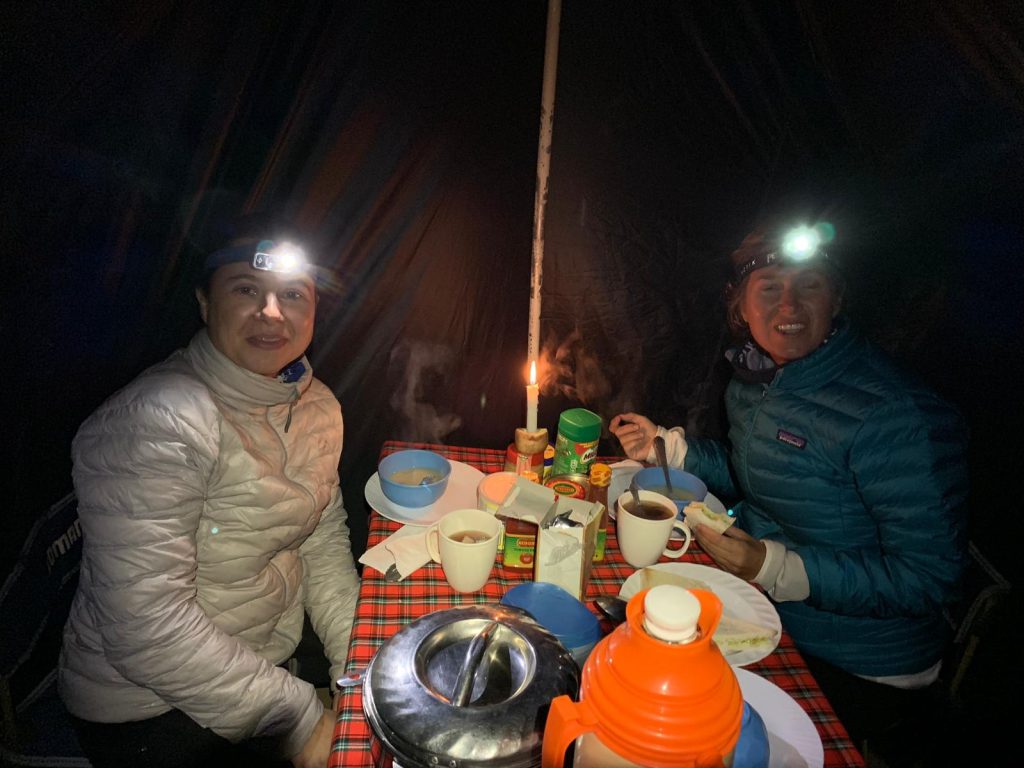
Mount Kilimanjaro has five distinct climate zones, and the temperature changes dramatically as you ascend. Being prepared for these changes is the secret to a comfortable trek.
- Rainforest Zone (1,800m – 2,800m): Expect humid and warm conditions. Daytime temperatures average 20°C to 25°C, but it can rain at any time, especially in the afternoons.
- Heath and Moorland (2,800m – 4,000m): As you climb higher, the air becomes drier. Temperatures drop to around 10°C to 15°C during the day and can reach 0°C at night.
- Alpine Desert (4,000m – 5,000m): This is a land of extremes. During the day, the intense sun can make it feel like 15°C, but as soon as the sun sets, it plunges to -5°C or lower.
- Arctic Zone & The Summit (Above 5,000m): This is the “ice cap” of the mountain. Daytime temperatures are often below freezing. On your summit night at Uhuru Peak, expect temperatures between -10°C and -20°C, often with high winds.
“For a more detailed daily forecast of the mountain’s summit, you can check the Kilimanjaro Mountain Forecast before your trip.”
At Climb Kilimanjaro and Tanzania Safari, we monitor weather patterns daily. Whether you choose to climb in the dry heat of January or the crisp air of September, our guides are equipped with the best gear and safety protocols to ensure you reach the top.
5. Why Book Your 2026 Trek with Us?
- Safety First: Pulse oximeters and emergency oxygen on every climb.
- Expert Guides: Locals who have summited over 100 times.
- After-Climb Relaxation: We offer discounted Safari Packages to Serengeti and Ngorongoro to celebrate your victory!
Many hikers ask us, ‘When is the best time to climb Kilimanjaro?’ Our answer always depends on your preference for weather versus crowds.
“We expected a great experience, but we didn’t expect to be so pampered. Every morning, Mokome came with warm water for us to wash and fresh coffee. We felt spoiled and truly cared for.” — A Happy Client from the USA
Ready to Start Your Adventure?
What to do After Your Kilimanjaro Climb?
Most climbers find that the best time to climb Kilimanjaro is even better when followed by a relaxing wildlife experience. After pushing your limits on the mountain with Simon, we highly recommend our 2-Day Tarangire & Ngorongoro Crater Safari. It is the perfect way to celebrate your summit success by witnessing Tanzania’s ‘Big Five’ in their natural habitat before heading home.”
Don’t wait for the spots to fill up. 2026 is going to be a big year for Tanzanian tourism!