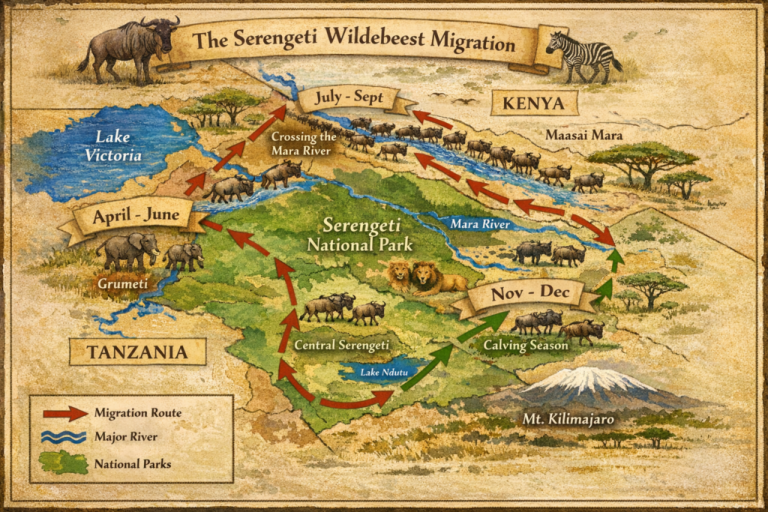
Packing for a combined Mount Kilimanjaro trek and wild savanna safari means preparing for two completely different worlds. On the mountain, you will face freezing alpine deserts where temperatures drop below. On safari, you will experience warm, dusty days and cool nights on the plains.
The secret to packing for this dual adventure is layering and understanding the strict safari luggage weight limits enforced across East Africa. This guide ensures you bring exactly what you need without paying heavy over-packing fees.
1. The Golden Rule: Luggage Type and Weight Limits
If your itinerary includes a domestic bush flight (such as flying from Arusha or the Serengeti to Zanzibar), you will travel on small aircraft (like a Cessna Caravan). These planes have strict space constraints.
- Soft-Sided Duffel Bags Only: Hard-shell suitcases with wheels cannot fit into the curved cargo holds of safari planes. You must use a flexible canvas or nylon duffel bag.
- The 15 kg (33 lbs) Limit: Most domestic airlines (like Coastal Aviation and Safari Air Link) enforce a strict limit of 15 kg to 20 kg per person, including your carry-on daypack.
Operator Logistics Strategy: Don’t panic about fitting heavy winter mountain gear into your safari flight limit. Reliable local operators will let you pack your mountain gear in one bag and your safari gear in another. After you descend Kilimanjaro, the operator will safely store your trekking boots, thick down jackets, and poles in Moshi or Arusha, sending you off to the Serengeti with just your lightweight safari duffel.
2. Safari Wardrobe: Colors to Wear & Avoid
When choosing clothing for game drives, the goal is to blend into the environment and protect yourself from elements like dust and bugs.
| Color Group | Suitability | Why It Matters |
| Khaki, Olive, Beige, Tan, Brown | Highly Recommended | Blends into the savanna, doesn’t scare wildlife, and hides relentless safari trail dust perfectly. |
| Dark Blue & Solid Black | AVOID | These colors absorb heat and actively attract tsetse flies, which have a painful bite. |
| Bright White | AVOID | Stands out instantly to animals and turns a dirty brown color within an hour on dusty dirt roads. |
| Camouflage Patterns | STRICTLY BANNED | Wearing military-style camouflage clothing is illegal for civilians in Tanzania; border or park rangers may confiscate it. |
3. The Kilimanjaro Layering System
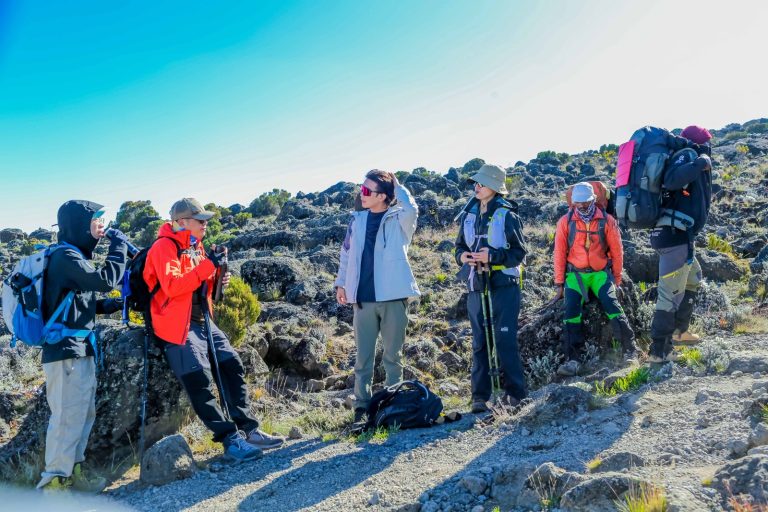
On the mountain, you will walk through five distinct climate zones in less than a week. Heavy, bulky clothing is inefficient. Instead, you need a high-performance three-layer system that you can put on or take off as you climb.
1.The Base Layer (Moisture Wicking):Layer 1.
Next to your skin. Wear high-quality synthetic or merino wool long-sleeve tops and leggings. Never use cotton, as it absorbs sweat, stays damp, and freezes against your body.
2.The Mid Layer (Insulation):Layer 2.
Traps body heat. Use a heavyweight fleece jacket or a packable feather-down jacket. This is essential for cold evenings at camp and the early stages of summit night.
3.The Outer Shell (Weather Protection):Layer 3.
Protects against wind, rain, and snow. A breathable, waterproof Gore-Tex jacket and trousers with a hood. This layer keeps the biting alpine wind from cutting through your insulation layers.
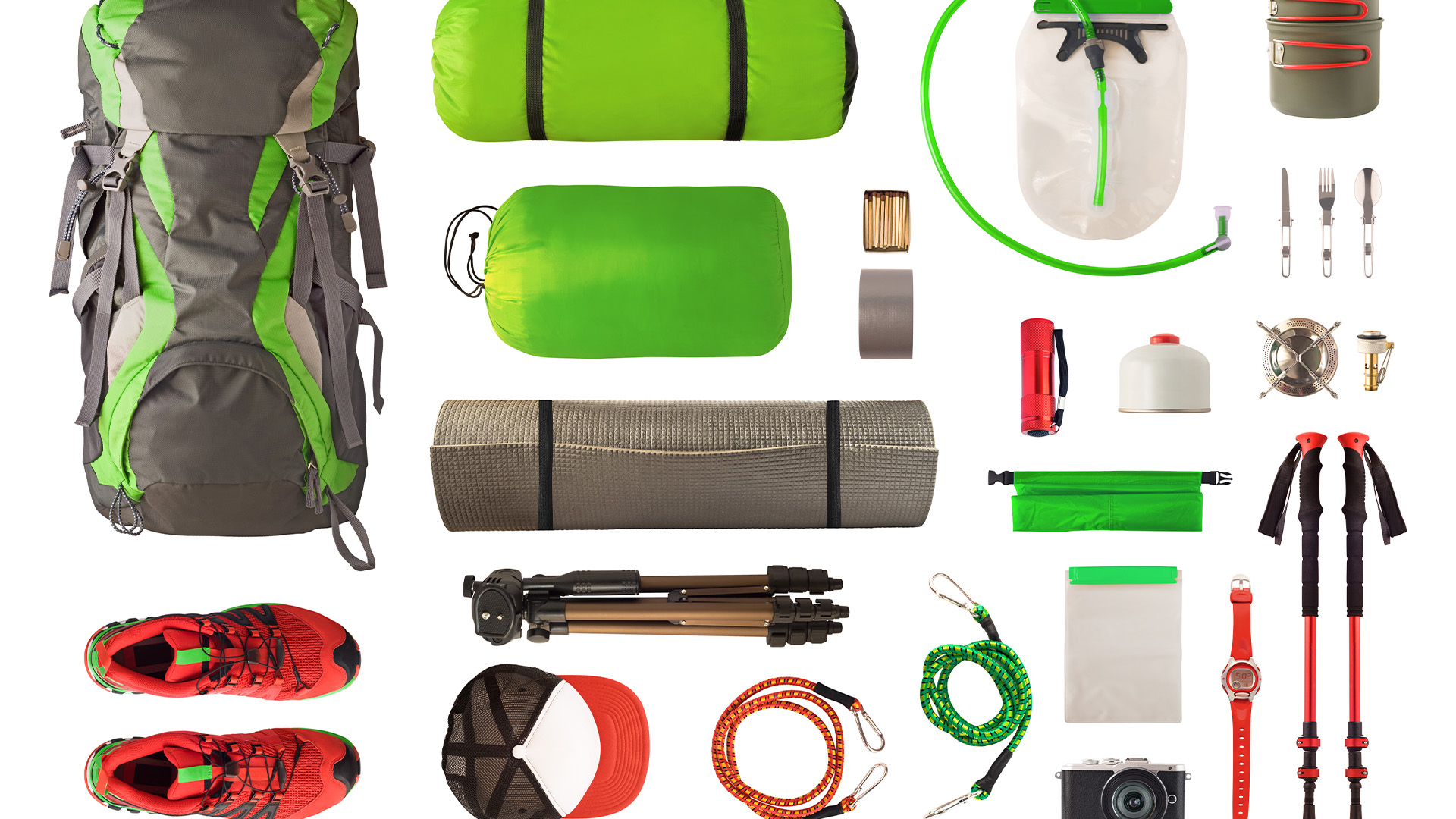
4. Quick-Reference Gear Checklist
Footwear
- Hiking Boots: Sturdy, waterproof, with good ankle support. Crucial: Break them in months before your trip to avoid blisters.
- Safari/Camp Shoes: A pair of lightweight trail-running shoes or sturdy sneakers for game drives, and sandals for relaxing at the lodge or tented camp.
- Socks: 5-6 pairs of thick, moisture-wicking wool hiking socks, plus thin sock liners if you are blister-prone.
Electronics & Optics
- Binoculars (8×42 or 10×42): Do not skimp on this. A good pair of binoculars completely changes your safari experience when spotting leopards hiding far away in acacia trees.
- Headlamp: Essential for navigating unlit canvas camps at night and non-negotiable for the midnight Kilimanjaro summit push. Bring spare batteries (the mountain cold drains battery life fast).
- Power Bank (10,000–20,000 mAh): To keep your phone and camera charged during multi-day wilderness camping blocks.
- Universal Plug Adapter: Tanzania primarily uses Type G (three rectangular prongs, UK standard) and occasionally Type D (three round prongs).
Health & Environmental Protection
- High-Concentration Insect Repellent: Look for a spray containing 30% to 50% DEET or Picaridin.
- Sun Shielding: Polarized sunglasses, a wide-brimmed sun hat with a chin strap (it gets windy in open-top 4×4 vehicles), and SPF 50+ sunscreen.
- Wet Wipes & Dry Bags: The African savanna is incredibly dusty. Pack plenty of wet wipes for quick refreshes on the road, and use Ziplock or lightweight dry bags to wrap your camera bodies, lenses, and passports safely inside your daypack.
- Plastic Bag Notice: Since 2019, single-use plastic carrier bags are legally banned across Tanzania. Zipper-top bags used specifically for toiletries are allowed, but do not bring standard plastic shopping bags into the countr
1 Day | Half-Day Excursion The Sanctuary of History invites you to Changuu Island, a prison island day trip zanzibar...
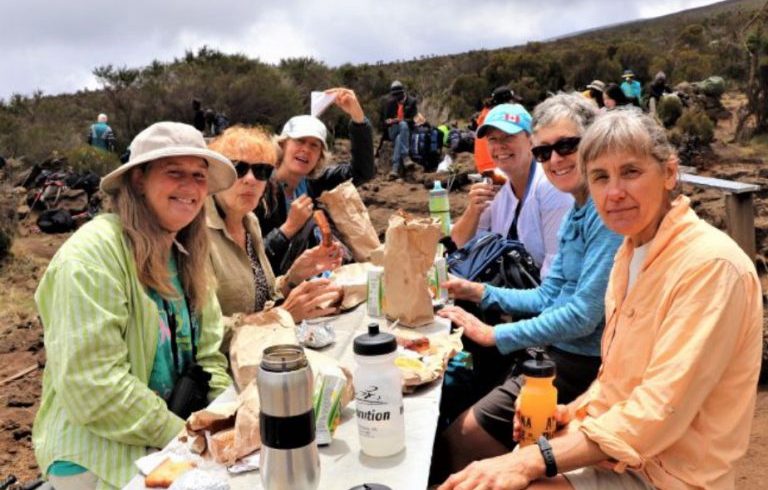
Join our 7-day Machame Route group trek to climb Mt. Kilimanjaro on a budget. Experience the iconic Whiskey Path with high summit success and professional guides.
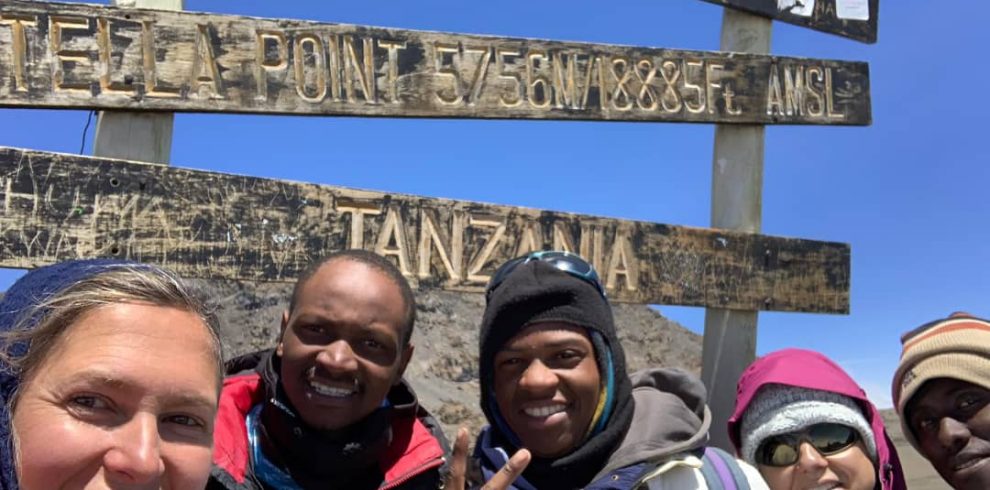
6 Days Machame Route: The Scenic Whiskey Path Join a 6-day Machame Route group trek up Mt. Kilimanjaro! Scale the...
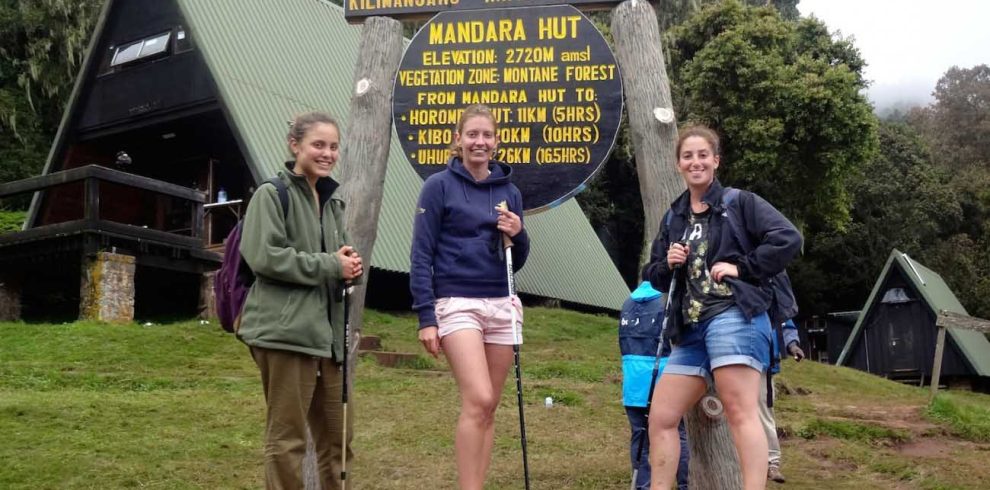
6 Days Group Joining / Budget Kilimanjaro Climb via Marangu Route: Best Success Rate
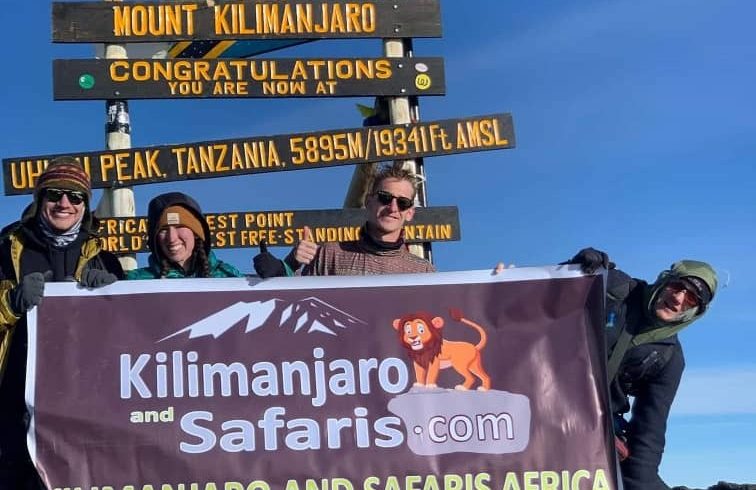
5 Days Kilimanjaro Climb Marangu route
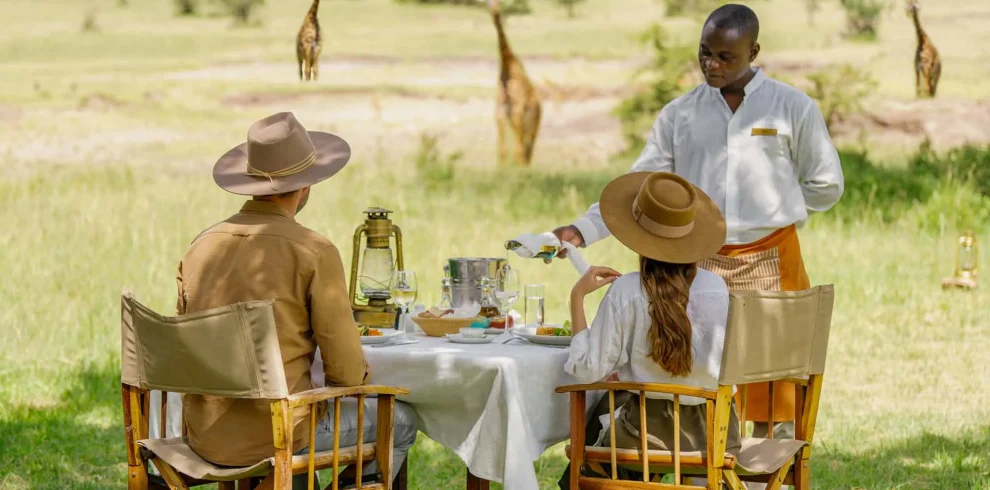
12 Days Honeymoon Kenya Tanzania Flying Safari Experience This specialized 12 Days Honeymoon Kenya Tanzania Flying Safari itinerary is designed...