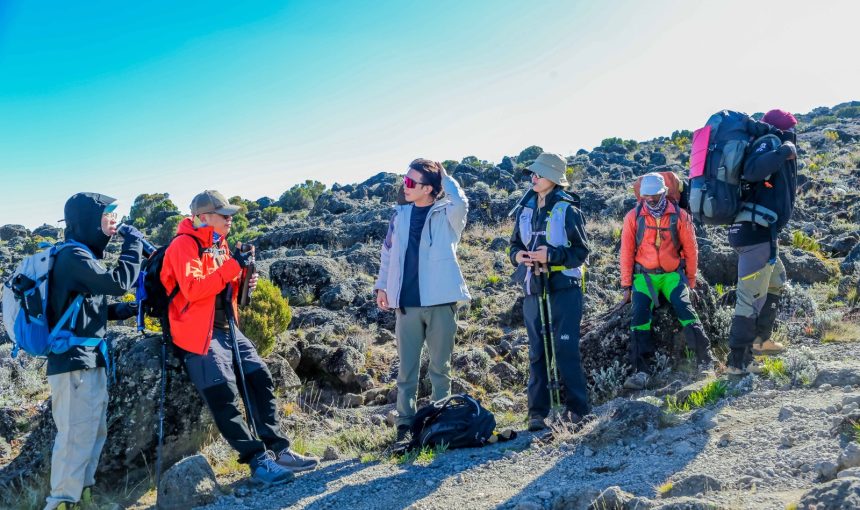
Thus, an extraordinary journey into Tanzania’s pristine wilderness requires deliberate, strategic preparation—what to pack for tanzania safari.
Additionally, your itinerary likely transitions from low-altitude savannah game drives to extreme alpine environments.
It is complemented by strict regional weight rules.
Standard travel packing habits do not apply to what to pack for Tanzania safari.
Optimizing your gear ensures comfort and safety.
Moreover, it guarantees seamless transitions from bush aircraft to mountain trails.
This blueprint outlines East Africa’s baggage laws and equipment needed for a flawless expedition.
Moreover, it explains what to pack for tanzania safari.
🧭 Regional Baggage Frameworks & Structural Constraints
Before selecting your gear, it is important to understand the logistical infrastructure of East African travel.
We strictly enforce rigid baggage protocols to guarantee safety inside customized 4×4 tactical safari vehicles. We also govern movement on regional light aircraft, including bush planes. The rules apply to the backs of mountain porters carrying loads. Following these rules helps ensure smooth transitions between transport modes.
- The Soft-Sided Luggage Mandate: Traditional hard-shell plastic or aluminum suitcases are highly impractical and frequently rejected at regional airstrips. Travelers must utilize premium soft-sided duffel bags or unstructured backpacks. These flexible designs compress efficiently into the dedicated cargo pods of bush aircraft and the compact storage configurations of safari vehicles.
- Aviation Weight Restrictions: For domestic flights connecting wilderness sectors (such as Serengeti arrivals or Zanzibar departures), the maximum baggage allowance is strictly limited to 15 to 20 kg (33 to 44 lbs) per passenger. This total weight includes both your primary checked duffel and your hand luggage.
- Mountain Porter Allocation: On a Mount Kilimanjaro expedition, national park regulations restrict the weight of the main duffel handled by your dedicated porter to 15 kg (33 lbs). This ensures the physical health and safety of the mountain crew.
- The Technical Daypack: A premium 20 to 30-liter daypack remains in your personal custody at all times. This serves as your mobile command center to carry essential electronics, hydration, documentation, optics, and immediate weather layers during daily excursions.
Safari Clothing Guide
Tanzanian safaris require a flexible wardrobe.
Additionally, dawn departures at high elevations, like Ngorongoro Crater rim at 10°C/50°F, can be cool.
Afternoons become dusty and hot.
🎨 Strategic Color Science
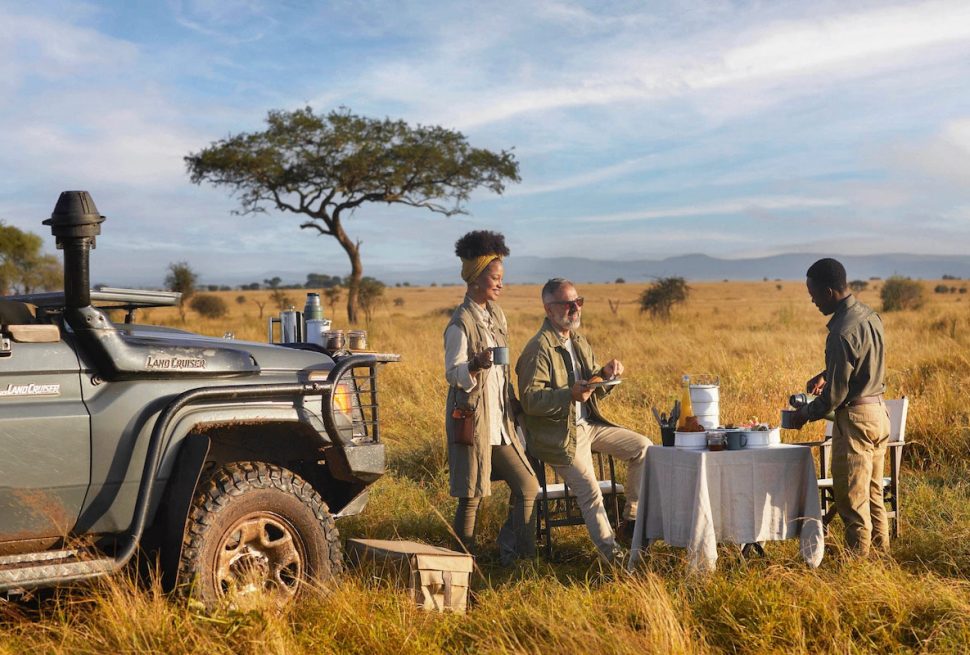
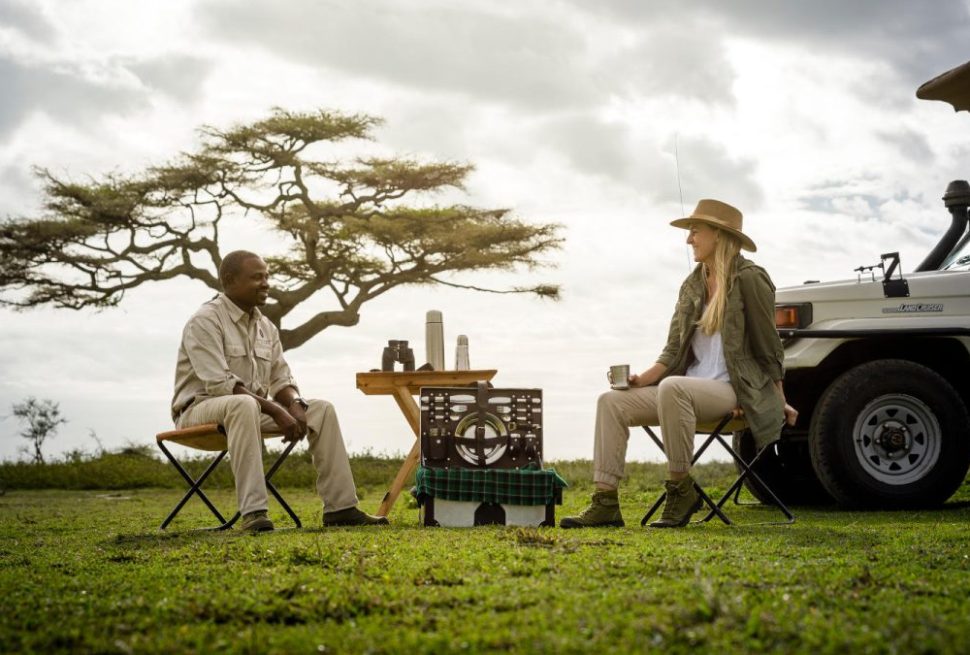
- The Neutral Standard: Prioritize earth tones including Khaki, Beige, Olive Green, and Light Muted Browns. These specific tones reflect solar radiation, obscure persistent safari dust, and minimize visual disruption to wildlife.
- The Prohibited Spectrum: Solid Black and Dark Blue garments must be avoided; these dark hues attract tsetse flies, which possess a painful, irritating bite. Bright white clothing soils instantly and increases wildlife skittishness. Furthermore, military-style camouflage apparel is strictly illegal for civilians under Tanzanian law.
Advanced technical layering
Achieving thermal equilibrium throughout the day requires high-performance layering components.
- Primary Layer: Ultra-lightweight, moisture-wicking synthetic or merino t-shirts.
- Solar Defense Layer: Long-sleeved, high-UPF breathable shirts to mitigate UV exposure and insect contact.
- Insulation Layer: High-loft fleece or ultra-light down sweaters for immediate deployment during crisp morning game drives.
- Utility Bottoms: Technical trekking pants or high-durability convertible zip-off trousers offer maximum versatility.
Specialized field equipment.
- Precision Optics: Personal 8×42 or 10×42 binoculars are indispensable for clear apex predator and avian tracking.
- Imaging Systems: Cameras should be equipped with a minimum 200mm to 300mm telephoto lens, accompanied by high-capacity memory cards and sealed, dust-proof protection.
- Solar Barriers: A wide-brimmed technical safari hat and polarized UV-blocking sunglasses are non-negotiable safety items.
- Footwear: Durable, closed-toe walking shoes or light trail runners are mandatory for field safety. Sandals and slides are reserved exclusively for evening relaxation within luxury lodges or tented camps.
🏔️ The Mount Kilimanjaro Alpine Kit
Climbing Mount Kilimanjaro requires journeying through five distinct ecological zones.
From there, the trek culminates in an arctic summit ecosystem.
Moreover, temperatures regularly plunge to -10°C to -15°C (14°F to 5°F).
Your equipment must form an uncompromised barrier against extreme cold.
It must resist wind and heavy moisture.
The Five-Phase Thermal Protocol (Zero Cotton)
Additionally, cotton holds moisture, causing rapid cooling and hypothermia in alpine conditions. All technical apparel must use advanced synthetics or high-grade wool.
- The Moisture-Management Base: High-performance, next-to-skin thermal underwear constructed from Merino wool or specialized polyester composites.
- The Thermal Insulation Mid-Layer: Heavyweight fleece jackets or specialized grid-fleece pullovers designed to trap core body heat.
- The High-Loft Insulator: A premium, high-fill-power down jacket with an insulated hood, engineered specifically for sub-zero summit survival.
- The Outer Weather Shell: A fully seam-sealed, waterproof, and windproof jacket and trouser set (e.g., Gore-Tex). This crucial layer guards against high-altitude snow, torrential rain, and piercing wind shear.
🥾 Elite Mountain Hardware
- Ankle-Support Footwear: High-durability, waterproof mountaineering or trekking boots. It is imperative that these boots are thoroughly broken in months prior to the expedition to prevent debilitating blisters. Supplement with 4 to 5 pairs of high-density wool trekking socks.
- Sleep Systems: A certified 4-season sleeping bag featuring a lower comfort rating of -18°C (0°F). Consistent, deep restorative sleep is critical for physical recovery and successful altitude acclimatization.
- Kinetic Support: Adjustable, anti-shock trekking poles equipped with rubber tips heavily mitigate joint strain during long, steep alpine descents.
- Illumination Architecture: A high-lumen, adjustable headlamp is mandatory. The final summit push commences at midnight in absolute darkness; keep extra lithium batteries shielded close to your body, as extreme cold accelerates power depletion.
- Hydration Infrastructure: Heavy-duty, wide-mouth insulated flasks or specialized water bottles capable of carrying 3 to 4 liters daily. Note: Flexible hydration bladders and external drinking tubes frequently freeze solid on summit night, making insulated wide-mouth bottles essential.
Environmental Compliance: Plastic Ban
Tanzania strictly enforces a nationwide total ban on single-use plastic carrier bags. This protects its vulnerable wildlife ecosystems, national parks, and marine environments.
- Customs Confiscation: Standard plastic grocery bags, plastic duty-free shopping bags, and clear plastic wrappers used to pack items are prohibited. These are subject to confiscation upon arrival at international airport entry points.
- The Ziplock Provision: Transparent, resealable ziplock bags utilized exclusively for personal toiletries and liquids are permitted under international aviation security compliance, provided they depart the country with you.
- Sustainable Alternatives: Travelers must utilize reusable fabric packing cubes, lightweight nylon stuff sacks, or mesh laundry bags to systematically organize gear within their luggage.
🗓️ Strategic Packing Reference Matrix
| Operational Category | Authorized Gear | Prohibited / Restricted Items |
| Baggage Systems | Soft-sided duffels, unstructured backpacks, 20-30L technical daypacks. | Rigid hard-shell suitcases, oversized baggage exceeding limits. |
| Safari Wardrobe | Muted earth tones (khaki, olive, beige), UPF sun shirts, performance fleece. | Solid black, dark blue, high-visibility white, camouflage patterns. |
| High-Altitude Gear | Broken-in waterproof boots, merino thermals, -18°C down sleeping bag, high-lumen headlamp. | Untested footwear, standard cotton clothing, lightweight summer bedding. |
| Health & Protection | Broad-spectrum SPF 30+, 30%+ DEET insect repellent, altitude therapeutics, sanitary wet wipes. | Single-use plastic carrier bags, unsealed or unregulated medical kits. |
🗺️ Engineered for Peace of Mind
However, navigating the detailed requirements of an African expedition can feel complex.
However, you do not have to plan it alone.
Our comprehensive ground operation provides seamless support to ensure you are perfectly equipped.
For our mountain climbers, we maintain an inventory of premium rental equipment.
This includes sub-zero down jackets, technical trekking poles, and 4-season arctic sleeping bags.
This significantly reduces your international packing weight while ensuring you step onto the mountain with elite-level gear.
We handle every logistical detail on the ground.
So you can focus entirely on the profound beauty of the Tanzanian wilderness.