The Definitive Tipping Guide for Tanzania Safari & Kilimanjaro Trek
Learn how much to tip guides, porters, and safari crews in Tanzania. Get realistic budget recommendations and clear tipping etiquette for your adventure.
Because international banking structures differ vastly from the cash-fluid dynamics of the African bush and alpine base camps, travelers frequently find the logistics of tipping complex. To eliminate uncertainty and empower your preparations, this professional protocol outlines precise daily industry benchmarks, structural distribution rules, and essential currency management standards.
📋 Topic Guide: Gratuity Protocols & Cash Logistics
- The Socioeconomic Landscape: Why the traditional tipping ecosystem remains critical to field staff livelihoods.
- The Safari Tipping Framework: Standard daily targets for private driver-guides, boutique safari chefs, and lodge staff.
- The Mountain Protocol: Navigating crew hierarchies and the final morning tipping ceremony.
- The Cash Architecture: Crucial currency parameters, mandatory banking series dates, and denomination rules.
🧭 Understanding the Local Tourism Ecosystem
In Tanzania, a tip is not merely a token gesture for luxury hospitality; it serves as a critical supplement that bridges the gap to provide an elite, living wage for field teams.
- Direct Economic Value: Gratuities delivered directly into the hands of field staff are completely tax-free. If these amounts were integrated directly into upfront booking invoices, regional corporate taxes and administrative deductions would reduce the final take-home pay significantly. Direct tipping ensures 100% of your gratitude reaches the individual and their family.
- Performance-Driven Motivation: The competitive nature of wildlife tracking and high-altitude mountain guiding means that tips act as a powerful catalyst. Your guiding crew is motivated to deploy advanced tactical tracking skills, manage complex alpine safety, and orchestrate tailored guest experiences.
🦁 The Wildlife Safari Tipping Structure
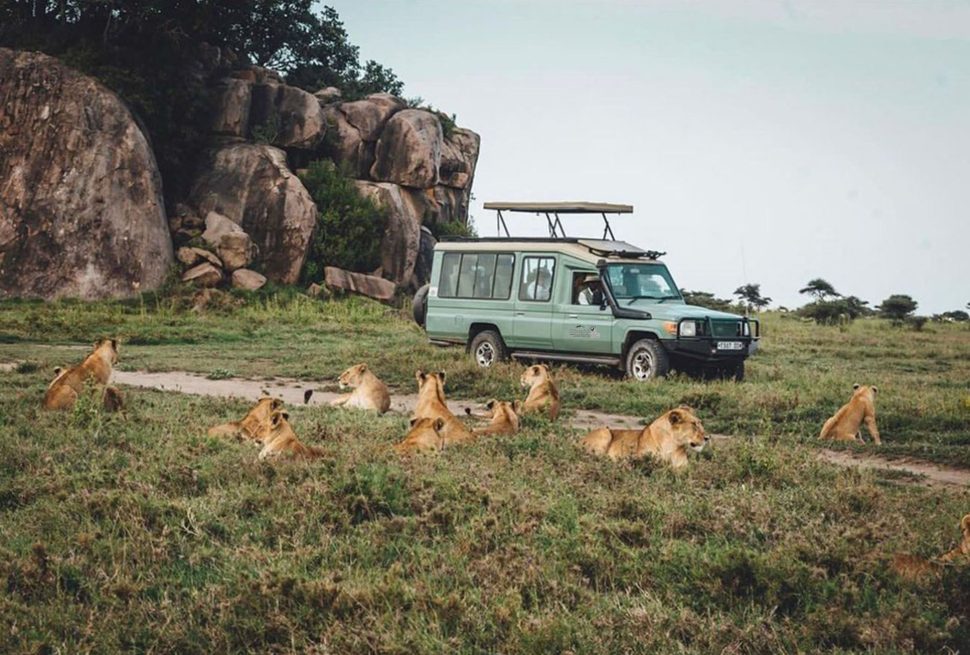
On a wildlife safari, your primary point of contact is your dedicated professional driver-guide, who serves as a master tracker, mechanical engineer, and cultural ambassador throughout your journey.
💶 Recommended Daily Safari Benchmarks
Safari tipping is traditionally calculated per vehicle, per day for private safaris, meaning the total group splits the designated amount rather than paying individually.
- The Professional Driver-Guide: $30 to $50 USD per vehicle, per day total from the entire group. If your guide coordinates exceptional sightings, navigates challenging terrain seamlessly, and demonstrates profound ecological knowledge, tipping toward the higher end is standard.
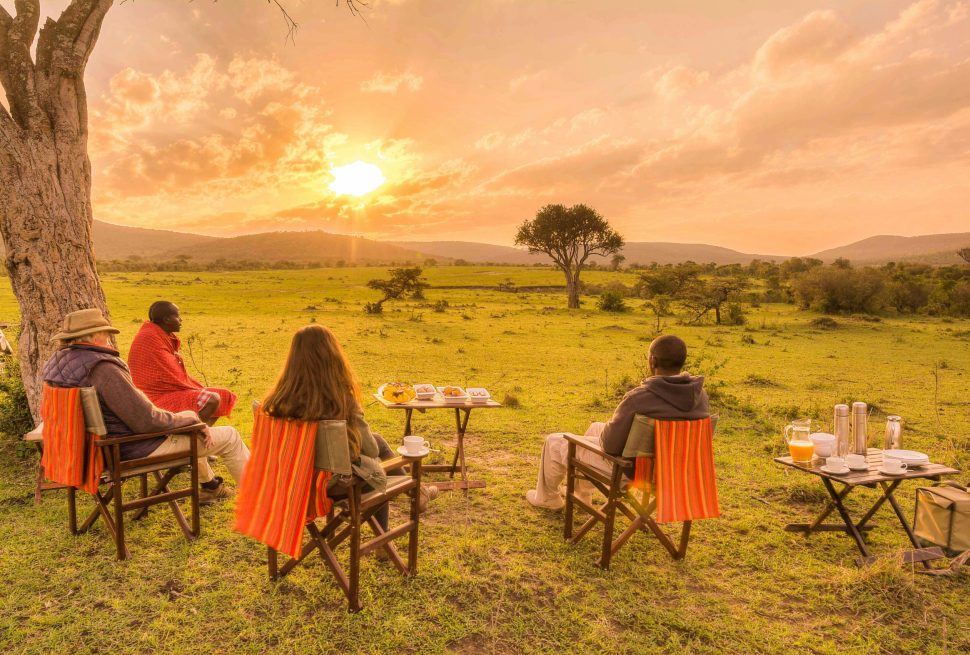
- The Mobile Camp Chef: $10 to $20 USD per day from the group. This applies specifically to experiential mobile tented safaris where a private chef prepares gourmet multi-course meals directly in the wilderness.
- The Lodge & Tented Camp Communal Tip Box: $10 to $20 USD per guest, per night. Positioned transparently at reception desks, these funds are collected and systematically divided among the invisible heroes of hospitality—the back-of-house kitchen staff, laundry teams, luggage porters, and night guards who secure the camp borders.
- Boutique Specializations: For specialized activities like an early-morning hot air balloon safari or a guided walking safari led by armed park rangers, a group tip of $20 USD handed directly to the pilot or ranger post-excursion is highly appropriate.
🏔️ The Mount Kilimanjaro Gratuity Protocol
Climbing Mount Kilimanjaro is a massive logistical undertaking supported by an extensive mountain crew. For a standard climbing party of two travelers, a support team of 7 to 10 dedicated professionals (guides, assistant guides, cooks, and porters) is standard.
🧮 Recommended Daily Mountain Benchmarks (Per Crew Member)
Unlike safaris, mountain tips are structured per staff member, per day as a collective pool from the climbing group. These targets are closely aligned with the ethical frameworks managed across the local mountaineering industry:
| Crew Role | Recommended Daily Group Contribution | Operational Impact |
| Lead Expedition Guide | $20 to $25 USD / day | Manages medical metrics, emergency oxygen, and summit pacing. |
| Assistant Guide | $12 to $15 USD / day | Controls group splits, structural pacing, and trail safety. |
| Expedition Cook | $12 to $15 USD / day | Engineers high-calorie, nutrient-dense nutrition at sub-zero temperatures. |
| Specialized Porters (Camp/Toilet/Summit) | $10 to $12 USD / day | Manages technical camp assembly, sanitation, and physical emergency safety. |
| Standard Mountain Porters | $8 to $10 USD / day | Manages the physical transit of all camp infrastructure up to 20 kg. |
🎤 The Mountain Tipping Ceremony
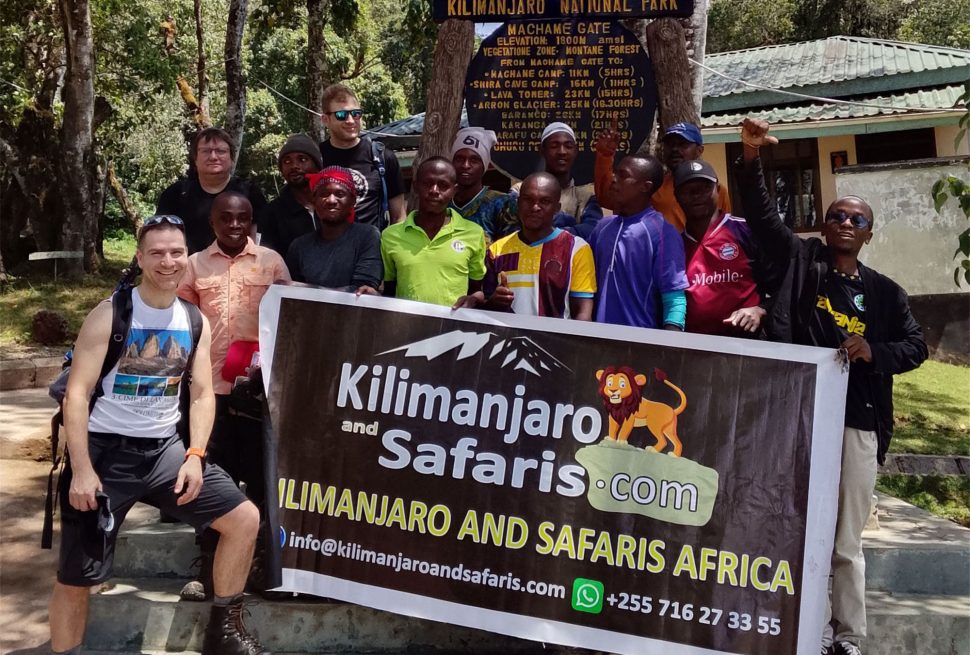
The distribution of mountain tips occurs during a formal, highly traditional Tipping Ceremony conducted on the final morning at the park exit gate or the final lower camp.
To ensure complete transparency and prevent misunderstanding, travelers should appoint a group spokesperson. The lead guide will assemble the entire crew. The spokesperson should read the exact breakdown of names, roles, and tip amounts out loud in English and Swahili before distributing the funds. For maximum clarity, put the cash directly into individually labeled envelopes and hand them directly to each porter and guide.
💵 The Cash Architecture: Strict Financial Rules
Tanzanian financial institutions and park authorities enforce exceptionally rigid standards regarding foreign currency. Failing to check your cash before leaving home can result in bills being flatly rejected at currency exchanges and local lodges.
- The Series Requirement: All US Dollar bills must be from the series year 2009 or newer. Banks across East Africa will automatically reject bills printed before 2009 due to historic counterfeiting vulnerabilities. Look closely at the year printed below the presidential portrait on every bill.
- Physical Integrity: Cash must be completely pristine. Bills that feature minor tears, ink stamps, heavy creasing, or handwritten marks are unexchangeable in Tanzania. Ensure your bills are crisp and fresh from your home bank.
- Denomination Strategy: Request a strategic mix of bills. Large denominations ($50 and $100 notes) yield the highest exchange rates for local currency but are impossible to split during a mountain tipping ceremony. Bring a substantial volume of crisp $1, $5, $10, and $20 notes to facilitate precise tipping distributions.
🗺️ Seamless Support Behind the Scenes
Managing the intricate logistics of an international expedition should never detract from your experience of the wilderness. When you step into our customized operations, we remove the guesswork entirely. During your pre-climb or pre-safari briefing, our operations team provides you with a precise, audited roster of your exact crew composition, including names, roles, and an exact calculated tipping recommendation based on your itinerary length. We believe in uncompromised transparency and ethical field standards, ensuring your support team is honored correctly while you focus entirely on the transformative beauty of Tanzania.
Do I Need Travel Insurance for Tanzania? (The Essential Protection Blueprint)
Embarking on an international expedition to East Africa is an exhilarating investment. Whether you are tracking the Great Migration across the Serengeti plains or pushing your physical limits on the slopes of Mount Kilimanjaro, smart preparation is the foundation of a successful journey. Amidst the excitement of booking flights and preparing gear, one critical operational question must be answered: Do I legally and practically need travel insurance for Tanzania?
While Tanzanian immigration authorities do not universally mandate proof of travel insurance to cross the border, global travel experts and seasoned operators consider it absolutely non-negotiable. Traveling through remote wilderness areas and high-altitude environments introduces unique variables that standard medical plans at home simply do not cover.
To ensure your investment and physical well-being are entirely protected, here is a professional, comprehensive analysis of why specialized travel insurance is vital, what your policy must cover, and the realities of medical logistics in East Africa.
📋 Topic Guide: Insurance Architecture & Risk Management
- The Legal vs. Practical Standard: Understanding border entry requirements versus the real-world necessity of comprehensive protection.
- Emergency Medical Evacuation: The critical role of specialized airlift coverage in remote safari sectors and high-altitude zones.
- Trip Cancellation & Disruption: Securing your high-value luxury lodge investments against unforeseen global or personal events.
- The Policy Checklist: The exact fine print and sub-limits you must verify with your insurance provider before departing.
🧭 The Reality of Medical Logistics in Tanzania
Tanzania boasts exceptional private medical centers in urban hubs like Dar es Salaam and Arusha. However, the country’s premier wildlife destinations and mountain routes are located in vast, remote ecosystems hundreds of kilometers away from specialized trauma care.
- The Remote Challenge: If a medical emergency, acute illness, or severe altitude sickness occurs in the deep sectors of the Serengeti or on the upper camps of Mount Kilimanjaro, standard ground ambulances cannot navigate the terrain rapidly.
- The Cost of Evacuation: Emergency medical evacuation from a remote bush airstrip or mountain camp requires a specialized helicopter or fixed-wing air ambulance equipped with critical care staff. A single emergency airlift can easily cost between $5,000 and $25,000 USD out-of-pocket if you do not have an approved insurance policy that guarantees payment upfront.
- Hospital Admission Protocols: Private hospitals in East Africa require proof of comprehensive international insurance or a substantial cash/credit card deposit before admitting a patient for major medical procedures. Having a verified policy ensures immediate, uncompromised care without bureaucratic delays.
📋 The Non-Negotiable Insurance Pillars for East Africa
Not all travel insurance policies are created equal. A standard credit card travel policy or basic flight insurance is rarely sufficient for an African expedition. Your chosen policy must explicitly include the following core pillars:
1. Emergency Medical Evacuation & Repatriation (Minimum $100,000 – $250,000)
This is the most critical component of your coverage. It ensures that if an emergency arises, an air ambulance team can be dispatched immediately to fly you from a wilderness airstrip directly to a top-tier regional trauma hospital. Ensure the policy includes repatriation of remains and emergency family travel coverage.
2. High-Altitude Trekking Riders (For Kilimanjaro Climbers)
⚠️ Crucial Fine Print Warning: Standard travel insurance policies explicitly exclude adventure sports and trekking above certain altitudes—usually capping coverage at 2,500 or 3,000 meters. Because Mount Kilimanjaro rises to a towering 5,895 meters (19,341 feet), you must purchase a specialized Adventure Sports Rider that specifically covers non-technical trekking up to 6,000 meters. Without this specific clause, any claim regarding altitude sickness, medical oxygen, or mountain evacuation will be entirely denied.
3. Comprehensive Trip Cancellation & Disruption
An African safari or mountain trek is a premium, high-value investment involving non-refundable national park fees, luxury lodge deposits, and international flights.
- Cancellation Coverage: Protects your funds if you must cancel your trip prior to departure due to sudden illness, injury, or family emergencies.
- Disruption/Interruption Coverage: Reimburses you for missed itinerary days, missed flight connections, or delayed luggage if unforeseen logistics disruptions occur during your transit.
🧳 Baggage, Tech Gear, and Theft Protection
Safari travel involves transporting high-value electronic assets through dusty conditions and multiple transit hubs. Ensure your policy covers:
- Baggage Delay: Provides immediate cash allowances to purchase essential safari apparel or mountain gear if your primary duffel bag is delayed by airlines.
- High-Value Tech Coverage: Standard baggage insurance usually caps electronic items at $500 per item. If you are traveling with high-end DSLR cameras, telephoto lenses, or laptops, look into a policy rider that fully covers the replacement value of your specific technical gear.
🗓️ Insurance Evaluation Reference Matrix
Before signing your policy, use this precise checklist to ensure your coverage aligns with your specific Tanzanian itinerary:
| Travel Activity | Required Insurance Feature | What to Look For in the Fine Print |
| Standard Game Drives | Emergency Medical & Evacuation | Ensure there are no exclusions for wildlife encounters or off-road travel inside national parks. |
| Kilimanjaro Climbing | High-Altitude Extreme Rider | The policy must explicitly state coverage for non-technical trekking up to 6,000 meters (19,700 feet). |
| Zanzibar Beach & Scuba | Water Sports Extension | Verify coverage includes scuba diving (up to a specific depth limit, usually 30 meters) and marine transit. |
| Multi-Destination Safaris | Interruption & Connection Protection | Covers regional bush flight delays that cause you to miss long-haul international flights home. |
🛡️ Best Practices for Managing Insurance on the Ground
To ensure your policy works seamlessly if you ever need to deploy it, follow these three professional operational rules:
- Keep Paper and Digital Copies: Download your insurance policy certificate, emergency hotline numbers, and policy boundary pages onto your phone so they are accessible offline in the bush. Print a physical copy and keep it inside your passport holder.
- Pre-Authorize Major Care: In a non-life-threatening situation (such as a minor infection or dental issue), always call your insurance company’s 24-hour emergency line before visiting a clinic. They will guide you to their preferred network facility and arrange direct billing.
- Obtain Official Documentation: If you experience a theft, baggage loss, or flight delay, you must obtain an official police report, airline baggage irregularity report, or official medical receipt showing the diagnosis and treatment. Insurance companies will reject claims without official third-party documentation.
🗺️ Engineered for Peace of Mind
Your peace of mind is the ultimate luxury. When you partner with our dedicated ground team to design your custom itinerary, our logistics coordinators work in direct alignment with international medical evacuation networks. Our team coordinates with local flight doctors and emergency teams to ensure that all gates, park clearings, and transit links are primed for your safety. We manage the operational complexities on the ground so you can immerse yourself entirely in the breathtaking wonders of the Tanzanian wilderness.