(The Essential Health & Yellow Fever Guide)
When preparing for East Africa travel, you may ask what vaccinations do i need for tanzania.
For most travelers, navigating medical recommendations can feel confusing.
Specifically, what vaccinations do i need for tanzania to enter the country?
Do I also need a Yellow Fever certificate?
There is a big difference between vaccines that are legally mandatory to cross the border and those that are strongly recommended by global health authorities for your personal protection. Giving you hints is not enough when it comes to your well-being.
Firstly, to give you clarity, Tanzania’s entry health rules are outlined clearly.
Additionally, what vaccinations do i need for tanzania is explained along with the Yellow Fever policy and essential health recommendations.
📋 Topic Guide: Travel Health & Prevention
- The Yellow Fever Law: Complete legal breakdown of who must present the “Yellow Card” at border control and how airport transit works.
- Routine & Recommended Immunizations: In-depth look at food, water, and blood-borne vaccinations suggested for your safety.
- The Comprehensive Malaria Protocol: Medications, altitude variances, and daily physical barriers to guarantee prevention.
- Water, Dietary, & Medical Logistics: Real-world advice on avoiding “safari tummy,” dealing with emergency medical care, and preparation timelines.
🟨 The Yellow Fever Law: Who Needs the Certificate and Who Doesn’t?
Yellow Fever is a serious viral disease transmitted by infected mosquitoes. Tanzania is structurally classified as a low-risk country for Yellow Fever. Because of this, proof of vaccination is NOT universally required for all travelers. The legal mandate enforced by port health officers depends entirely on your travel history and flight routing.
1. You DO NOT Need a Yellow Fever Certificate If:
- You are flying directly to Tanzania from a non-endemic region (such as the United States, Canada, the United Kingdom, European Union countries, Australia, or New Zealand).
- Your flight itinerary transits through a Yellow Fever endemic country (such as Kenya, Ethiopia, or Uganda) but your layover at the airport terminal is less than 12 hours. As long as you remain inside the transit lounge and do not exit the airport, you are legally exempt.
2. You DO Need a Yellow Fever Certificate If:
- You are arriving in Tanzania directly from a country with a known risk of Yellow Fever transmission (this includes traveling across the land borders from Kenya or Uganda).
- Your flight itinerary involves a layover or transit of 12 hours or more in a Yellow Fever endemic country—even if you never leave the airport terminal building. For example, if your flight has a 14-hour connection in Nairobi (Kenya) or Addis Ababa (Ethiopia) before flying into Kilimanjaro or Zanzibar, you will be stopped at port health and required to show your card.
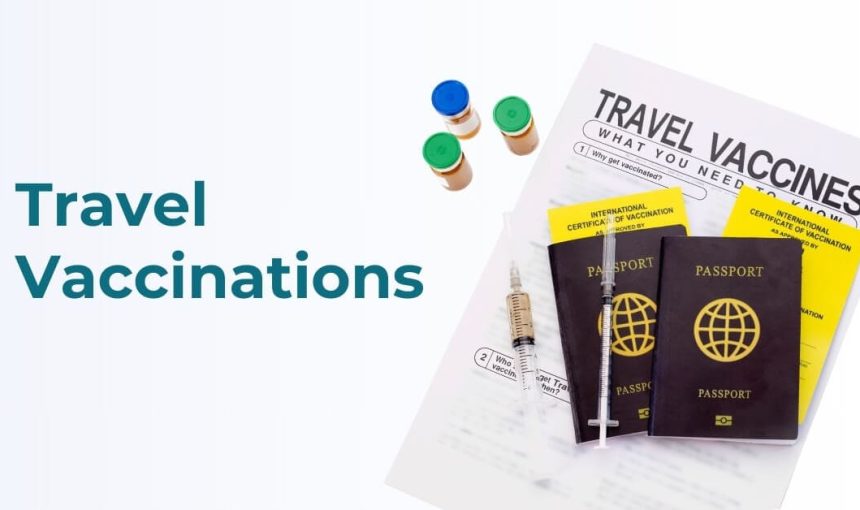
Your official proof of vaccination is the International Certificate of Vaccination or Prophylaxis, also known as the Yellow Card. If you wonder what vaccinations do i need for tanzania, remember this is an original paper Yellow Card. Moreover, according to World Health Organization rules, the vaccine is valid for life. It must be administered at least 10 days before landing in Tanzania to be legally recognized.
💉 Core Recommended Vaccinations for Safaris & Treks
While immigration officers only police the Yellow Fever rule, health bodies advise travelers to stay up to date on vaccines.
Additionally, they encourage staying up to date on vaccines that protect against local bacteria and viruses.
Food and Water-Borne Diseases
- Hepatitis A: This virus affects the liver and is transmitted through contaminated food or water. It is highly recommended for all safari goers and trekkers, as exposure can happen unexpectedly anywhere in the world.
- Typhoid: Caused by Salmonella typhi bacteria, Typhoid is common in areas with variable sanitation. If you plan to visit local villages, try local street food in Stone Town, or explore markets in Arusha, having this vaccine is essential.
Routine Boosters and Specific Risks
- Tetanus, Diphtheria, & Pertussis (Tdap): You must ensure your Tetanus booster is up to date (within the last 10 years). On safaris or treks, a minor scrape from a thorn bush, safari vehicle metal door, or camping gear could introduce bacteria.
- Hepatitis B: Transmitted through blood or bodily fluids. This is recommended for long-stay travelers, those who might receive medical treatment due to an adventure sport injury, or those working closely with local communities.
- Rabies: Rabies is present in wild animals and stray dogs in Tanzania. While you will have zero contact with stray animals on a standard wildlife game drive, a rabies vaccination series is highly recommended if you are participating in extensive walking safaris, caving, or spending prolonged periods in rural villages. Note: Even if vaccinated, any animal bite requires immediate medical attention, but the vaccine buys you critical time.
🦟 what vaccinations do i need for tanzania: The Comprehensive Malaria Protocol — Prevention Below the Clouds
Due to its seriousness, malaria is a disease transmitted by the bite of an infected female Anopheles mosquito.
It is prevalent across most low-altitude regions of Tanzania.
If you are planning travel, what vaccinations do i need for tanzania should be discussed with a clinician.
🏔️ The Altitude Safe Zones
Mosquitoes require warm, humid climates to thrive and breed. Because of this, the risk varies significantly by altitude:
- High Altitude Safe Zones: The rim of the Ngorongoro Crater (~2,300 meters) and any camp on Mount Kilimanjaro above 1,800 meters are generally free of malaria-carrying mosquitoes because the night-time temperatures are too cold for them to survive.
- High-Risk Zones: The Serengeti plains, Tarangire National Park, Lake Manyara, and the entire coastal strip including Dar es Salaam and Zanzibar Island are prime malaria zones.
💊 Anti-Malaria Medications (Prophylaxis)
There is no vaccine for malaria; protection relies entirely on preventative medication. You should consult a travel doctor weeks before your trip to get a prescription. The three most common options are:
- Atovaquone/Proguanil (Malarone): Taken daily. It has very few side effects and is highly effective, though it can be more expensive. You continue taking it for 7 days after returning home.
- Doxycycline: A daily antibiotic. It is cost-effective but can make your skin highly sensitive to the intense African sun, increasing the risk of sunburn. You continue taking it for 4 weeks after returning home.
- Mefloquine (Lariam): Taken once weekly. It cannot be used by individuals with a history of anxiety, depression, or neurological conditions due to potential psychiatric side effects.
🛡️ Physical Barriers (Your First Line of Defense)
Malaria-carrying mosquitoes bite primarily between dusk and dawn. Supplement your medication with these daily practices:
- Cover Up: Wear lightweight, long-sleeved shirts and long trousers in the evenings. Avoid dark blue and black clothing, as these colors are proven to attract tsetse flies during daytime game drives.
- Chemical Protection: Apply a high-quality insect repellent containing at least 30% to 50% DEET or Picaridin to all exposed skin.
- Sleep Under Nets: Always sleep under a mosquito net. Reputable safari camps and lodges treat their nets with insecticide and place them over your bed during the evening “turn-down” service. Keep your tent zippers completely sealed at all times.
🚰 Water, Dietary Safety, & Avoiding “Safari Tummy”
Experiencing stomach bugs can ruin a tightly packed safari itinerary. Protecting your digestive health requires strict adherence to a few clear rules.
- The Golden Rule of Water: Never drink tap water in Tanzania, even in high-end, luxury international hotels. Use sealed bottled water for drinking, rinsing fruits, and brushing your teeth. Reputable lodges provide complimentary bottled water in your room and inside safari vehicles daily.
- Ice Awareness: Avoid ice in your drinks unless you are staying at a premium luxury lodge that explicitly states their ice is made from purified, filtered water.
- Food Standards: Eat hot, freshly cooked meals. Buffets at established safari lodges are prepared to international hygiene standards and are completely safe. However, if you are eating outside your lodge, avoid raw salads, unpeeled fruits, or lukewarm dishes that have been sitting out.
🗓️ Medical Preparation Timeline Matrix
To ensure you are not rushing at the last minute, use this operational health calendar:
| Time Before Departure | Action Item | Why It Matters |
| 6 — 8 Weeks | Book Travel Clinic Appointment | Certain vaccines (like Hepatitis or Rabies) require a multi-dose series spaced weeks apart to establish proper immunity. |
| 4 Weeks | Get Yellow Fever Vaccine (If required) | Ensures your body builds defense and satisfies the strict 10-day legal border clearance rule. |
| 2 Weeks | Fill Anti-Malarial Prescriptions | Gives you time to check for pharmacy stock issues and read medication guidelines safely. |
| 1 Week | Pack Medical First-Aid Kit | Assemble a small kit with pain relievers, anti-diarrhea pills (like Imodium), rehydration salts, and band-aids. |
| Day of Departure | Secure Physical Yellow Card | Keep the paper booklet inside your carry-on bag alongside your passport. Do not check it into your hold luggage. |
⚠️ Age & Medical Exemptions: You may be asking what vaccinations do i need for tanzania; the Yellow Fever vaccine is a live vaccine and may not be suitable for travelers over 60 years old, infants under 9 months, pregnant women, or individuals with compromised immune systems. If you fall into these categories, your travel doctor can issue an official Medical Waiver Letter of Exemption. Presenting this official stamped letter to Tanzanian port health authorities allows you to enter the country safely without penalty.