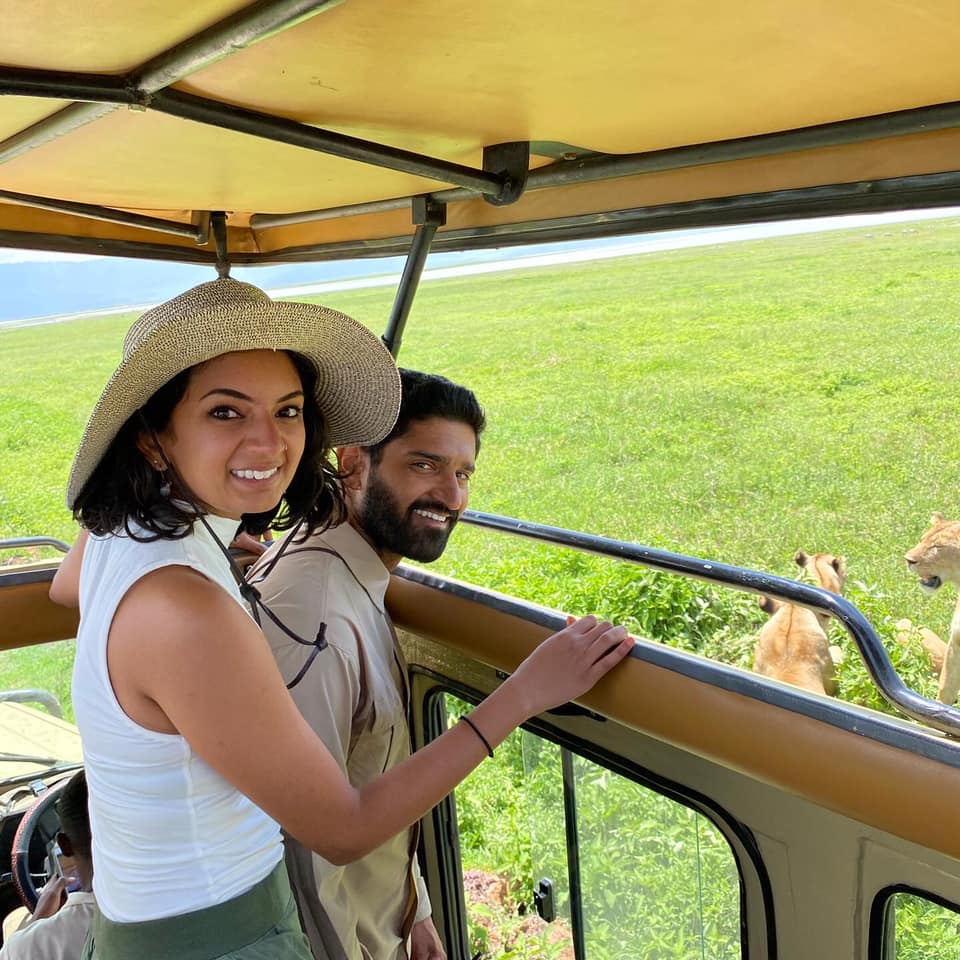

Kilimanjaro ascent and Serengeti honeymoon experience
Begin your new life together with an exhilarating climb up Mount Kilimanjaro via the picturesque Machame Route. Then enjoy a romantic four-day wildlife safari through Tanzania’s Northern Circuit, including Tarangire, Serengeti, and Ngorongoro Crater. This 10 Days Kilimanjaro Machame Route and Serengeti Honeymoon Safari blends ascent and safari dreams.
Trip Summary
- Duration: 10 Days / 9 Nights
- Tour Type: Mountain Trekking 🧗♂️, Wildlife Safari 🦁 & Honeymoon Experience 🍾
- Trek Route: 6-Day Machame Route
- Safari Destinations: Tarangire National Park, Serengeti National Park & Ngorongoro Crater
- Transport: Private 4×4 Safari Land Cruiser with Pop-up Roof 🚙
- Start Point: Kilimanjaro International Airport (JRO) / Moshi
- End Point: Kilimanjaro International Airport (JRO) / Arusha
-
3 Star Hotel
-
Moshi
-
June to December
-
English, Dutch, France, German, Russian, Chinese
-
5,895m
-
All meals specified on day to day Itinerary
-
1.5 Bottle of Mineral Water Daily
-
Safari Game Drive, Hiking
-
VISA, Master card
-
Medium
-
Professional Mountain Guide and Safari Driver Guide
-
Kilimanjaro International Airport
This ultimate 10-day itinerary combines two of Tanzania’s most iconic adventures: conquering the “Roof of Africa” via the highly scenic 6-Day Machame Route, followed by an exclusive 4-Day Romantic Honeymoon Safari through Tarangire, Serengeti, and Ngorongoro Crater.
Designed specifically for couples and adventure seekers, the trek utilizes the Machame Route’s optimal “Climb High, Sleep Low” profile for superior altitude acclimatization and higher summit success rates. After reaching Uhuru Peak (5,895m), transition seamlessly into pure luxury and relaxation. Experience private 4×4 game drives, romantic lodge stays, bush dining, and breathtaking sunset sundowners surrounded by Africa’s rich wildlife.
Highlights
- Summit Uhuru Peak (5,895m): Stand on the highest point in Africa via the scenic Machame "Whiskey" Route.
- Optimal Acclimatization: High summit success rate due to the route's natural elevation profile (Lava Tower to Barranco).
- Conquer Barranco Wall: Scramble up the iconic Barranco Wall for thrilling views and photos.
- Post-Trek Comfort at Mawio Lodge: Return to Moshi for a hot shower, massage, and relaxation before safari.
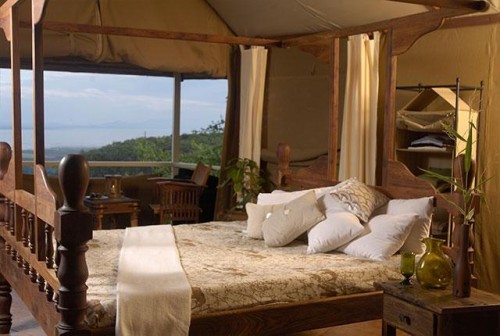
- Two Nights at Moyo Luxury Tented Camp: Experience uncompromised comfort and rich wildlife views in Central Serengeti.
- The Big Five Wildlife Safari: Spot Lions, Leopards, Elephants, Buffaloes, and the rare Black Rhino in Ngorongoro Crater.
- Tarangire’s Giants: Marvel at massive herds of elephants set against giant ancient Baobab trees.
- Exclusive Honeymoon Extras: Romantic candlelight dinners, summit celebration treats, and sunset sundowners.
Accommodation: Machame Camp (Full Board - Tents)
Distance: 11 km
Hiking Time: 5 - 7 hours
Meals: Breakfast, Lunch Box, Dinner
Habitat: Rainforest
Experience: After breakfast at Mawio Lodge, drive to Machame Gate for park registration. Begin trekking through the lush rainforest where you can spot native wildlife, including Colobus monkeys. Arrive at Machame Camp in the late afternoon for dinner and your first night on the mountain.
Accommodation: Shira Camp (Full Board - Tents)
Distance: 5 km
Hiking Time: 4 - 6 hours
Meals: Breakfast, Lunch Box, Dinner
Habitat: Moorland
Experience: Leave the rainforest behind and ascend steep, rocky paths into the moorland zone. Enjoy views of Shira Ridge and Mount Meru in the distance. This shorter hiking day is designed to assist with altitude acclimatization.
Accommodation: Barranco Camp (Full Board - Tents)
Distance: 10 km
Hiking Time: 6 - 8 hours
Meals: Breakfast, Lunch Box, Dinner
Habitat: Semi-desert
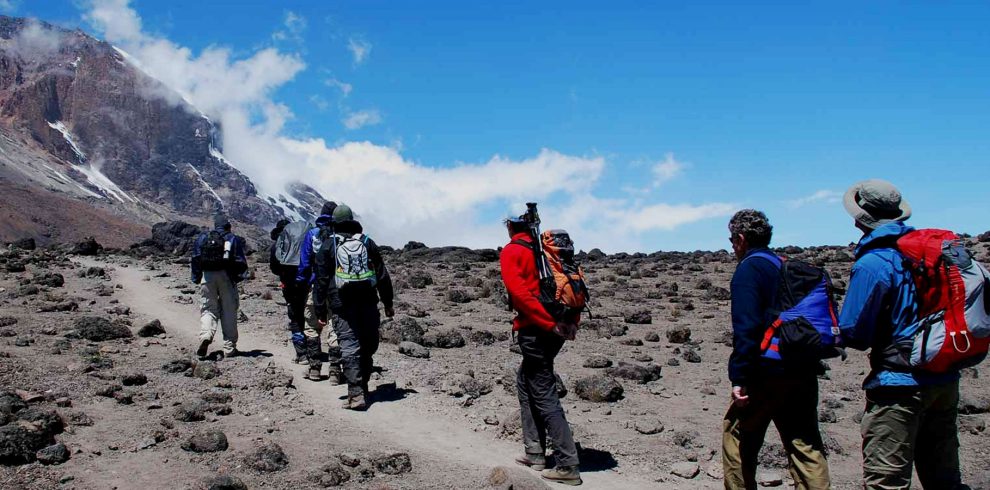
Experience: A key acclimatization day following the principle of "Climb High, Sleep Low." Trek up to Lava Tower (4,630m) for lunch before descending into Barranco Camp, situated beneath the impressive Barranco Wall.
Accommodation: Barafu Camp (Full Board - Tents)
Distance: 9 km
Hiking Time: 7 - 8 hours
Meals: Breakfast, Lunch Box, Dinner
Habitat: Alpine Desert
Experience: Begin the day by scrambling up the famous Barranco Wall. Continue through the Karanga Valley to reach Barafu Camp. Turn in early to rest and prepare for the midnight summit trek
Accommodation: Mweka Camp (Full Board - Tents)
Distance: 5 km ascent / 12 km descent (17 km total)
Hiking Time: 7 - 8 hours ascent / 4 - 6 hours descent
Meals: Breakfast, Lunch, Dinner
Habitat: Arctic Summit / Rainforest
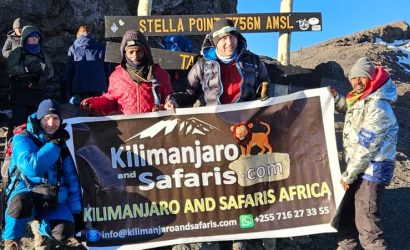
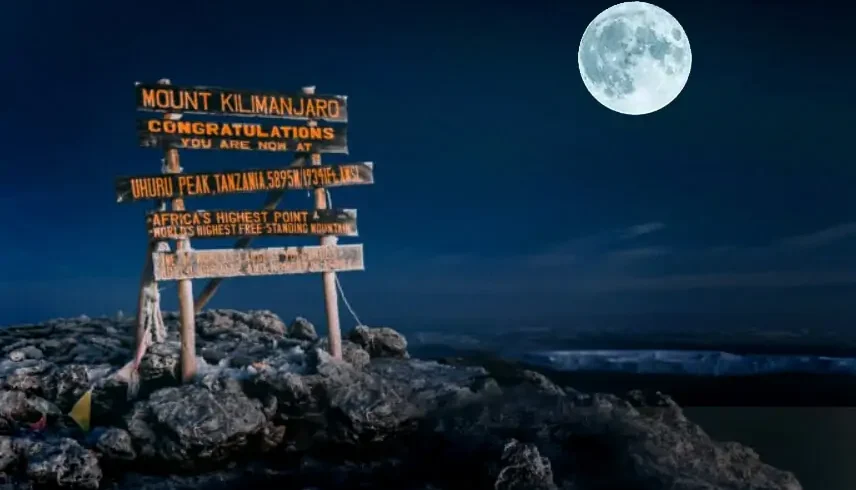
Experience: Around midnight, begin the final push to the summit via Stella Point (5,756m). Reach Uhuru Peak (5,895m) at sunrise—the highest point in Africa! After taking photos, descend back to Barafu Camp for lunch and brief rest, then continue down to Mweka Camp for your final night on the mountain.
Accommodation: Mawio Lodge (Moshi)
Distance: 10 km
Hiking Time: 3 - 4 hours
Meals: Breakfast, Celebration Lunch, Dinner
Habitat: Rainforest
Experience: Enjoy a farewell celebration with your mountain crew before descending to Mweka Gate to collect your summit certificates. Transfer back to Mawio Lodge in Moshi for a well-deserved hot shower, celebration dinner, and comfortable rest.
Accommodation: Marera Valley Lodge (Karatu)
Distance / Drive Time: 210 km | 3.5 - 4 hours
Meals: Breakfast, Picnic Lunch, Romantic Dinner
Experience: Depart Mawio Lodge in the morning for Tarangire National Park, famous for its large elephant herds and iconic baobab trees. Enjoy a full game drive tracking lions, giraffes, and zebras. In the late afternoon, drive to Karatu to check in at Marera Valley Lodge for dinner and overnight stay.
Accommodation: Moyo Luxury Tented Camp (Serengeti)
Distance / Drive Time: 165 km | 3.5 - 4 hours (Game drive en route)
Meals: Breakfast, Picnic Lunch, Romantic Candlelight Dinner
Experience: After breakfast, travel toward Serengeti National Park via the Ngorongoro Highlands. Enjoy game drives across the Seronera plains, prime habitat for leopards, lions, and resident wildlife. Arrive and check in at Moyo Luxury Tented Camp for your first night in the Serengeti.
Accommodation: Moyo Luxury Tented Camp (Serengeti)
Distance / Drive Time: Full day game drives within Serengeti
Meals: Breakfast, Bush Lunch / Picnic, Dinner
Experience: Spend a full day exploring the endless plains of the Serengeti with morning and afternoon game drives. Track wild cats and big game, enjoying a bush lunch in the heart of nature. Return to Moyo Luxury Tented Camp for a second night of pure comfort and bush luxury under the stars.
Accommodation: N/A (Departure)
Distance / Drive Time: 230 km | 4 - 5 hours to Airport
Meals: Breakfast, Picnic Lunch
Experience: Early morning departure from Serengeti to the Ngorongoro Conservation Area. Descend 600 meters onto the floor of the Ngorongoro Crater (UNESCO World Heritage Site). Spot wildlife including the endangered Black Rhino, lions, hippos, and flamingos. After a picnic lunch by the hippo pool, ascend the crater and transfer to Arusha or Kilimanjaro International Airport (JRO) for your departure flight.
- Private airport transfers (JRO) and all ground transportation.
- Specified Accommodations: Mawio Lodge (Arrival & Day 6), Marera Valley Lodge (Day 7), Moyo Luxury Tented Camp (Days 8 & 9).
- Mountain Crew: Certified Mountain Guide, Chef, and Porters.
- All Park Entry Fees (Kilimanjaro, Tarangire, Serengeti, Ngorongoro Crater & Camping/Lodge fees).
- Mountain camping equipment (All-weather tents & sleeping mattresses).
- Private 4x4 Safari Land Cruiser with pop-up roof and complimentary bottled water.
- On-board Wi-Fi and charging stations in the safari vehicle.
- Full Board Meals (Breakfast, Lunch/Picnic, Dinner) throughout the tour.
- Honeymoon Extras: Summit celebration cake, Romantic Candlelight Dinner, and Sundowner drinks during safari.
- International flights.
- Personal trekking gear (Sleeping bags, warm clothing).
- Tips/Gratuities for mountain and safari crews.
- Travel and medical insurance.
- Alcoholic beverages and personal expenses.
Safari Experience Tips
Dress Comfortably: Wear light, neutral-colored clothing (khaki, tan, olive) to avoid attracting insects like tsetse flies.
Bring Good Optics: Carry binoculars and a zoom camera lens (200mm–400mm) to view distant wildlife clearly.
Stay Dust-Free: Protect cameras and electronics in zip-lock bags or dust covers during dusty dirt roads.
Respect Wildlife Rules: Never stand up on seats or make loud noises when close to animals during game drives.
Pack Protection: Carry reef-safe sunscreen, lip balm, sunglasses, and insect repellent containing DEET.
Frequently Asked Questions
Kilimanjaro Climbing and Tanzania Safari FAQ's
The best time for general wildlife viewing is during the long dry season from late June to October. The vegetation is thin, making animals much easier to spot, and wildlife concentrates heavily around permanent water sources.
-
For the Great Migration River Crossings: Target July to August in the northern Serengeti.
-
For Calving/Birthing Season: Target January to February in the southern Serengeti (Ndutu area).
-
For Birding: The "Green Season" (November to April) brings lush landscapes and migratory birds.
Yes, Tanzania is widely considered one of the safest and most stable countries in Africa. The safari industry is highly professionalized. While in the national parks, experienced guides manage all wildlife encounters safely. As with any global travel, basic common sense applies when visiting major towns or transit hubs—such as keeping valuables secure and staying with registered guides.
Most international passport holders do require a tourist visa.
-
Cost: $50 USD for most nationalities; $100 USD for US citizens.
-
How to apply: It is highly recommended to apply online in advance via the official Tanzanian Immigration e-visa portal to avoid long queues. Alternatively, it can be purchased as a Visa on Arrival at major entry hubs like Kilimanjaro International Airport (JRO).
-
Routine Health: Ensure your routine vaccines (Tetanus, Polio, Hepatitis A & B) are up to date.
-
Malaria: Most safari destinations sit in malaria zones. Travelers should consult a doctor or travel clinic to get the appropriate malaria prophylaxis (preventative medication) before traveling.
-
Yellow Fever: A Yellow Fever vaccination certificate is mandatory if you are arriving from or transiting through a country where Yellow Fever is endemic.
Your choice depends entirely on your travel circuit:
-
Kilimanjaro International Airport (JRO): The definitive gateway for the famous Northern Circuit (Serengeti, Ngorongoro Crater, Tarangire, Lake Manyara) and Mount Kilimanjaro climbs.
-
Julius Nyerere International Airport (DAR) in Dar es Salaam: Best if you are exploring the Southern Circuit (Nyerere/Selous, Ruaha) or connecting directly to the coast.
-
Abeid Amani Karume International Airport (ZNZ): The primary hub if you are heading straight to the beaches of Zanzibar.
The key is to pack light (especially since domestic safari bush flights have strict luggage limits of 15 kg / 33 lbs in soft-sided bags) and wear layers.
-
Colors: Stick to neutral, earthy tones (khaki, tan, olive green, beige). Avoid bright colors, dark blue, and black—dark blue and black attract tsetse flies, while bright whites make you stand out too much to wildlife.
-
Clothing: Long-sleeved shirts and lightweight trousers to protect against mosquitoes and sun. Bring a warm fleece or jacket; early morning game drives can be surprisingly cold.
-
Essentials: High-SPF sunscreen, insect repellent containing DEET, a wide-brimmed sun hat, sunglasses, good binoculars, and a quality camera with a zoom lens.
Tanzania's parks are grouped geographically into two main regions:
| Circuit | Key Parks | Vibe & Experience |
| Northern Circuit | Serengeti, Ngorongoro Crater, Tarangire, Lake Manyara | Home to the iconic landscapes, the Great Migration, and high concentrations of wildlife. It features excellent infrastructure but sees significantly more tourist traffic. |
| Southern Circuit | Nyerere National Park (formerly Selous), Ruaha, Mikumi | Offers a wilder, more remote, and exclusive feel. Massive, untamed wilderness areas with fewer crowds and excellent opportunities for walking safaris and boat safaris. |
Absolutely. A safari can be an incredibly enriching, educational experience for families. However, most operators recommend a minimum age of 6 to 8 years old. Safari days involve long hours of sitting quietly in a vehicle, bumpy dirt roads, and early mornings, which can be challenging for toddlers. Additionally, certain walking safaris or specific eco-lodges enforce a strict age limit for safety reasons.
-
Currency: The official currency is the Tanzanian Shilling (TZS), but US Dollars (USD) are incredibly widely accepted for tourist services, park fees, and at lodges. Crucial Note: Make sure your USD bills are printed in 2009 or later, and are free of tears or heavy marks, as older or damaged bills are rejected by local banks.
-
Tipping: Tipping is a customary and highly appreciated way to reward the hard work of your safari crew. As a general industry standard guideline:
-
Safari Driver-Guide: $20 - $30 USD per day (total from the vehicle group).
-
Camp/Lodge Staff: $10 - $20 USD per day (placed in the communal staff tip box).
-
Wildlife is most active when temperatures are cool, so the daily rhythm revolves around the sun:
-
06:00 AM: Early wake-up call with tea or coffee, followed by a departure for an early morning game drive just as the bush wakes up (this is prime time for spotting predators on the move).
-
09:30 AM: Return to the lodge or bush camp for a hearty breakfast/brunch.
-
Mid-Day: Relax at the lodge, swim, read, or rest during the heat of the day when animals rest under thick shade.
-
03:30 PM: Head out for an afternoon game drive as the temperature drops, often stopping for a classic "sundowner" drink in the bush to watch the sunset.
-
07:00 PM: Return to camp for a warm shower, drinks around the campfire, and a multi-course dinner.
The Great Migration is the largest synchronized movement of wildlife on earth, where over 1.5 million wildebeest, along with hundreds of thousands of zebras and gazelles, move in a continuous clockwise cycle between Tanzania and Kenya. It is not a single event but a year-round pilgrimage driven entirely by rainfall patterns, as the herds constantly search for fresh grazing pasture and water.
The dramatic river crossings—where herds plunge into waters filled with crocodiles—typically take place from late July to October.
-
The Location: This happens in the Northern Serengeti at the Mara River and Grumeti River.
-
Note for Planning: Witnessing a crossing requires patience, as the herds can gather on the banks for hours or even days before the first animal takes the leap.
Because the migration is continuous, the herds can be found in different sections of the Serengeti throughout the year:
-
January to March: Southern Serengeti (Ndutu area) for the calving season.
-
April to May: Western Corridor and Central Serengeti (Seronera) as the herds move north during the rainy season.
-
June to July: Transitioning through the Western and Northern Serengeti towards the rivers.
-
November to December: Moving back south through the eastern Serengeti to start the cycle again.
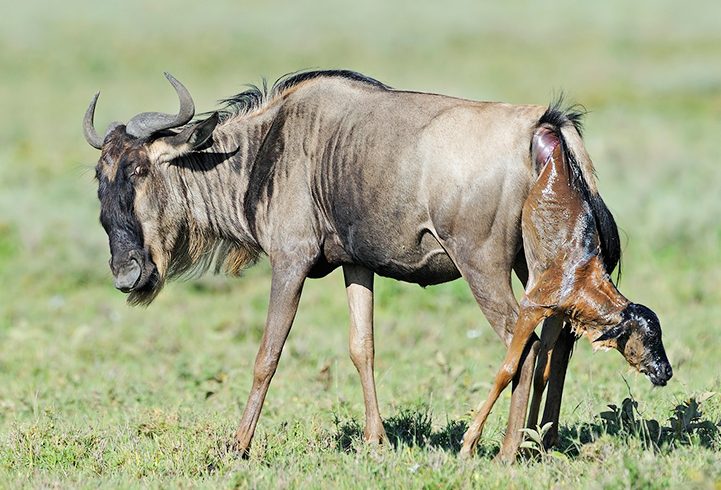
The calving season takes place between late January and February in the southern plains of the Serengeti and Ngorongoro Conservation Area (Ndutu). During a short 2-to-3 week window, around 8,000 wildebeest calves are born every single day. This massive influx of vulnerable young action attracts incredibly high numbers of predators (lions, cheetahs, leopards, and hyenas), making it an exceptional time for dramatic wildlife viewing.
No, you do not need to worry about booking anything yourself. When you book your safari itinerary with us, everything is fully included from start to finish.
Attempting to book lodges or mobile camps on your own can be significantly more expensive. As a registered tour operator, we have exclusive standard tour operator rates with all the top lodges and camps across the Serengeti. Because of these established partnerships, the overall cost is lower when booking through us compared to booking the exact same accommodations independently. We handle all the logistics, securing the best spots near the migration action while saving you money.
Mount Kilimanjaro is a "walk-up" mountain, meaning it is a non-technical trek. You do not need ropes, harnesses, crampons, or prior mountaineering experience. However, it is a physically demanding high-altitude endurance trek. You will be hiking uphill for multiple days through rugged terrain, and the final summit night is long, steep, and cold. Anyone with a good level of physical fitness and a strong mental drive can reach Uhuru Peak.
The number one reason climbers fail to summit is Altitude Sickness (Acute Mountain Sickness - AMS), not physical fitness. The body needs time to adapt to lower oxygen levels.
-
Our approach: At Climb Kilimanjaro and Safaris, we heavily advocate for longer itineraries (7 to 9 days) such as the Lemosho or Northern Circuit routes. These routes allow a gradual ascent, resulting in a 90% or higher summit success rate, compared to short 5-day routes which see success rates drop below 40%.
The right route depends on your preferences for scenery, crowds, and comfort:
-
Lemosho Route (7-8 Days): Our top recommendation. It is highly scenic, remote in the beginning, and has an exceptional acclimatization profile.
-
Machame Route (6-7 Days): Known as the "Whiskey Route." Very popular, beautifully varied scenery, but can get crowded during peak season.
-
Marangu Route (5-6 Days): The "Coca-Cola Route." It is the only route offering A-frame hut accommodations instead of camping. However, because it is shorter, its success rate is much lower.
-
Northern Circuit (9 Days): The longest and newest route, looping around the quiet northern slopes. It offers the absolute highest success rate (over 95%).
You can climb Kilimanjaro year-round, but the best conditions are during the dry seasons:
-
January to March: Cooler, very clear skies, and less crowded. Beautiful snow-capped views at the summit.
-
June to October: The long dry season. Warmer during the day, very dry, but the mountain sees its highest traffic.
-
Note on the Rainy Season: We generally advise avoiding April and May due to heavy rains, though we can organize climbs via the northern Rongai Route, which sits in the mountain's rain shadow.
Not at all. When you book with Climb Kilimanjaro and Safaris, your trek is a fully inclusive package. We provide a comprehensive team for your expedition: certified head guides, assistant guides, a professional mountain chef, and a dedicated team of porters who carry all heavy gear, tents, and food. You only carry a light daypack with your daily essentials.
We provide all the heavy-duty, group expedition gear to ensure you are safe and comfortable:
-
High-quality, waterproof four-season mountain tents.
-
Thick, comfortable foam sleeping mattresses.
-
Large mess tents with tables and chairs for your meals.
-
All cooking gear and fresh food.
-
Rental Gear: For personal gear like thermal sleeping bags (-20°C rated), trekking poles, or down jackets, you can easily rent these directly through us in Moshi before your climb.
Safety is our ultimate priority. Our mountain guides are highly trained, wilderness-first-responder certified, and have summited Kilimanjaro hundreds of times.
-
Daily Check-ups: Your guides will conduct health checks twice a day, measuring your blood oxygen saturation ($SpO_2$) using pulse oximeters and monitoring your heart rate.
-
On-Mountain Protocol: We carry emergency medical oxygen tanks and custom evacuation stretchers on every climb. If a climber shows severe signs of altitude sickness, our team acts immediately to safely guide them down to a lower altitude.
You should start physical preparation at least 2 to 3 months before your trip.
-
Cardio: Focus on aerobic endurance training like running, swimming, or cycling to improve your lung capacity.
-
Leg Strength: Spend time on a stairmaster or walking on high inclines.
-
Real Practice: The absolute best training is going on long, full-day hikes in your local area while wearing the actual hiking boots you plan to use on Kilimanjaro. This breaks in your boots and prepares your muscles for consecutive days of walking.
You will be amazed by what our mountain chefs can prepare in a tent! You need high-calorie, nutrient-dense meals to fuel your body at high altitudes.
-
Breakfast: Porridge, eggs, sausages, toast, fruit, and hot coffee or tea.
-
Lunch & Dinner: Hot soups, pasta, rice, potatoes, fresh vegetables, chicken, and beef.
-
Dietary Restrictions: Whether you are vegetarian, vegan, gluten-free, or have specific food allergies, our chefs will tailor the entire menu to your needs at no extra cost—just let us know when booking.
Tipping is a deeply entrenched tradition on Kilimanjaro and represents a vital part of the local economy for the guides, cooks, and porters. While it is voluntary, it is expected as a reward for their incredible physical labor.
-
The System: Tipping is done at the very end of the climb during the traditional "Gate Celebration" song.
-
Guideline: As a general industry standard, a group of climbers sets aside roughly $250 to $350 USD total per climber to distribute among the entire support crew at the end of the trek.