When planning a trip to a faraway destination, safety is always the number one priority. If you are eyeing a trek up Mount Kilimanjaro, a wildlife safari in the Serengeti, or a relaxing beach holiday in Zanzibar, you are likely wondering: “Is Tanzania safe for tourists in 2026?”
The short answer is yes. Tanzania remains one of the most peaceful, politically stable, and welcoming countries in Africa. Every year, over two million international travelers explore its natural wonders trouble-free. The local culture is deeply rooted in hospitality, summarized by the warm Swahili greeting you will hear everywhere: “Karibu” (Welcome).
However, just like any global destination, traveling safely in Tanzania requires common sense and localized knowledge. Here is the honest, ground-level safety breakdown from our team at Kilimanjaro and Safaris Africa.
1. Safari Safety: Wild Animals and the Wilderness
A common worry for first-time safari-goers is the threat of wild animals. It’s natural to feel nervous about sleeping in a canvas tent while lions roar in the distance, but the reality is that safaris are highly controlled and incredibly safe activities.
- Vehicle Protection: On game drives, you are inside a heavy, modified 4×4 Safari Land Cruiser. Large predators like lions, leopards, and cheetahs view the vehicle as a single, large object rather than a collection of human prey. As long as you stay seated inside the vehicle and follow your guide’s instructions, you are completely safe.
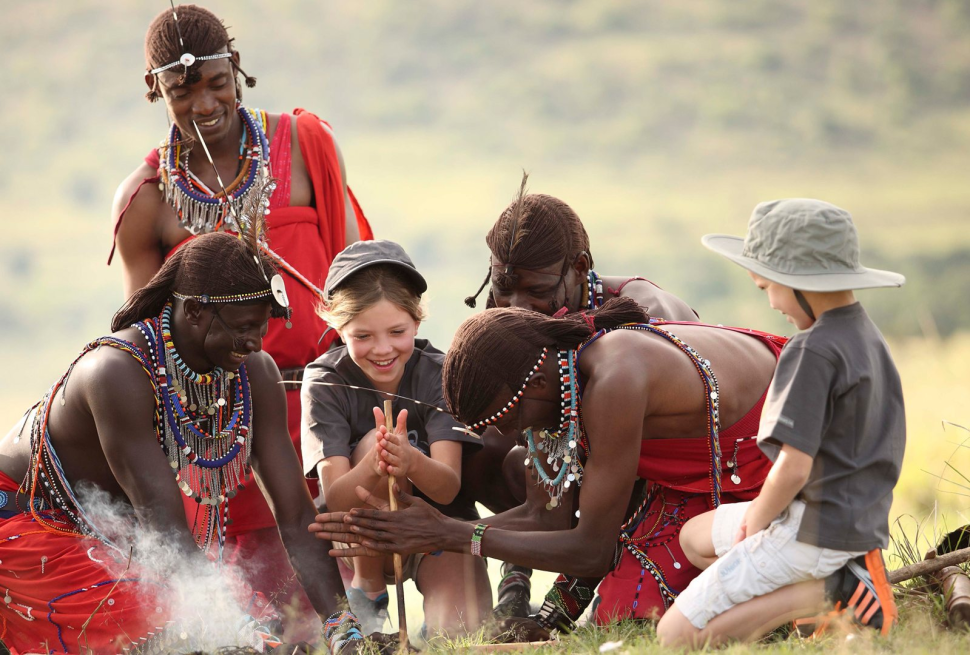
- Camp Security: Whether you are staying in a luxury lodge or a budget public campsite inside the Serengeti, safety is paramount. At night, wild animals may wander near the camps. For this reason, accommodations employ Askari (local Maasai or armed guards) who patrol the campsite and escort you safely to and from your tent after dark.
- The Golden Rule: Never leave your tent or room at night without a guard escort, and never keep open food inside your tent, as it can attract curious animals.
2. City Safety: Navigating Arusha, Moshi, and Dar es Salaam
While the safari wilderness is virtually free of crime, major urban areas and transit hubs require a higher level of situational awareness. Petty theft, pickpocketing, and opportunist scams do occur in busy city environments.
🎒 Top Tips for City Travel:
- Avoid Walking at Night: In cities like Dar es Salaam or Arusha, do not walk through unlit areas or deserted beaches after dark. Always use a registered taxi or trusted ride-hailing apps like Uber or Bolt, which track your driver and route.
- Leave the Bling at Home: Flashing expensive jewelry, luxury watches, or the latest smartphone makes you an obvious target for pickpockets or “snatch-and-grab” thieves operating on motorbikes. Keep your valuables secure in your hotel safe.
- Beware of “Fake Guides”: In tourism towns like Arusha or Stone Town, you may be approached by smooth-talking individuals offering cheap safaris or claiming to work for your hotel. Always book directly through a licensed, verified operator and ask for official identification.
3. Solo Travelers and Female Safety in Tanzania
Tanzania is an excellent and highly rewarding destination for solo travelers. If you choose a group-joining safari, you will instantly be paired with like-minded international travelers, making it easy to build a community from day one.
For solo female travelers, the country is generally safe and respectful. However, Tanzania is a conservative society, particularly along the coast and on the island of Zanzibar, which is predominantly Muslim.
👗 Cultural Respect & Dress Code
To minimize unwanted attention and show respect to local communities, it is highly recommended to dress conservatively when outside of your beach resort or safari vehicle. In public spaces like Stone Town or local markets, keeping your shoulders and knees covered goes a long way. On safari, standard outdoor travel gear is perfectly acceptable.
4. Health and Practical Safety in 2026
Safety isn’t just about crime or wildlife; it’s also about staying healthy during your adventure.
- Malaria and Prophylaxis: Most safari destinations sit in malaria zones. Before flying out, consult a travel clinic to get the correct malaria prophylaxis. Additionally, wear insect repellent containing DEET and use the mosquito netting provided over your bed.
- Water and Food: Tap water in Tanzania is not safe to drink. Stick to bottled or purified water at all times—even when brushing your teeth. When it comes to food, eat at reputable lodges or busy local restaurants where food is freshly cooked and piping hot.
- Medical Evacuation: At Kilimanjaro and Safaris Africa, we recommend all our guests purchase temporary tourist medical coverage through AMREF Flying Doctors. In the rare event of a medical emergency in a remote area like the deep Serengeti, an air ambulance can quickly evacuate you to a high-quality international hospital in Nairobi or Arusha.
The Ultimate Tanzania Safety Checklist
Before you pack your bags, keep these quick safety rules in mind:
- Get Travel Insurance: Ensure it covers high-altitude trekking if you are climbing Mount Kilimanjaro, alongside standard medical trip disruptions.
- Keep Digital Copies: Save a photo of your passport, tourist visa, and yellow fever certificate on your phone and email them to yourself.
- Know the Plastic Ban: Tanzania strictly prohibits plastic carrier bags. Ensure your luggage uses reusable bags, though small Ziploc bags for toiletries are permitted.
- Use Reputable Payment Channels: Protect your financial transactions by booking with licensed operators who offer secure booking platforms like PesaPal or direct mobile transfers via Sendwave.
Final Verdict:
Is Tanzania safe? Absolutely. By traveling with a licensed operator, maintaining basic street smarts in major cities, and respecting local cultures, your trip to Tanzania will be a smooth, unforgettable, and life-changing adventure.
Ready to Explore Tanzania Safely?
At Climb Kilimanjaro and Tanzania Safaris, our guest safety is our absolute, non-negotiable priority. Our team consists of highly trained, local professional guides who know every corner of the bush, and our rugged 4×4 vehicles undergo rigorous multi-point safety checks before every expedition.