Planning an African safari is incredibly exciting, but one question always stands out above the rest: When is the best time to visit Tanzania for a safari?
Because Tanzania sits just south of the equator, it doesn’t experience traditional winter and summer seasons. Instead, our weather and wildlife patterns are driven by dry and rainy seasons.
At Kilimanjaro and Safaris Africa, we believe there is no single “perfect” month—the best time depends entirely on what you want to see, your budget, and whether you want to witness the world-famous Great Wildebeest Migration.
Here is our comprehensive, month-by-month insider breakdown to help you plan your dream Tanzanian adventure.
1. Quick Summary: The Best Seasons at a Glance
If you are looking for a quick answer, the Tanzanian safari calendar can be divided into four distinct phases:
- Peak Dry Season (June to October): The absolute best time for general wildlife viewing. Animals gather around waterholes, and the bush is thin, making spotting incredibly easy.
- Short Dry Season (January to February): A fantastic time to visit. This is the green calving season in the southern Serengeti, packed with predator action.
- The Short Rains (November to December): Brief afternoon showers. The landscape turns beautifully green, and birdwatching is at its absolute peak.
- The Long Rains (March to May): Also known as the “Green Season.” Heavy afternoon downpours, but excellent for budget travelers who want to avoid crowds.
2. Tanzania Safari Weather & Wildlife Calendar (Month-by-Month)
To help you visualize the entire year, here is a quick overview of how the seasons change across the Northern Circuit (Serengeti, Ngorongoro, Tarangire, and Lake Manyara).
| Month | Season Type | Wildlife Highlights | Crowd Levels | Budget Category |
| January – February | Short Dry | Wildebeest calving in Southern Serengeti (Ndutu); high predator action. | Medium – High | Mid-Range to Peak |
| March – May | Long Rains | Lush green landscapes; resident wildlife; migratory birds active. | Very Low | Budget Friendly |
| June – July | Peak Dry | Grumeti River crossings; massive elephant herds in Tarangire. | High | Peak Pricing |
| August – October | Peak Dry | Mara River crossings (Northern Serengeti); excellent general game viewing. | Very High | Peak Pricing |
| November – December | Short Rains | Wildebeest moving south; excellent birdwatching conditions. | Medium | Budget to Mid-Range |
3. The Best Time for the Great Wildebeest Migration
If your main goal is to see millions of wildebeest and zebras moving across the plains, you must align your travel dates with the migration cycle. The migration does not stay in one place; it is a year-round journey.
The Calving Season (January – March)
The migration settles in the southern Serengeti and the Ndutu region. Around February, roughly 8,000 wildebeest calves are born every single day. This massive influx of vulnerable calves attracts huge numbers of lions, cheetahs, and leopards.
The River Crossings (July – October)
This is the most dramatic phase of the migration. The herds move to the northern Serengeti to cross the treacherous Mara River into Kenya’s Maasai Mara. Watching thousands of wildebeest plunge into waters infested with massive Nile crocodiles is a once-in-a-lifetime sight.
💡 People Also Ask: Which month is best for a Serengeti safari?
If you want to see the dramatic river crossings, August and September are the best months. If you want to see newborn calves and heavy predator action without the extreme peak-season crowds, January and February are highly recommended.
4. When to Visit Specific Parks in Tanzania
Not all national parks peak at the same time. Depending on your choice of destinations, here is when you should visit:
Tarangire National Park
- Best Time: July to October. During the dry season, Tarangire turns into an absolute elephant empire. Thousands of elephants migrate to the Tarangire River, making it one of the best wildlife spectacles in East Africa.
Ngorongoro Crater
- Best Time: Year-round. Because the Ngorongoro Crater is a enclosed volcanic caldera, most of the 30,000 resident animals (including the endangered Black Rhino) stay inside the crater floor all year long.
Lake Manyara National Park
- Best Time: June to October for general wildlife views, but November to May (the wet season) is spectacular if you want to see the lake filled with thousands of pink flamingos and migratory birds.
5. Frequently Asked Questions (FAQs)
Can I do a safari during the rainy season (March to May)?
Yes, absolutely! While some smaller dirt roads can get muddy, our heavy-duty 4×4 Safari Land Cruisers are fully equipped to handle the terrain. The advantages of a “Green Season” safari include completely uncrowded parks, beautiful photography conditions, and significantly lower prices on luxury lodges.
What is the best month to combine a Kilimanjaro climb and a safari?
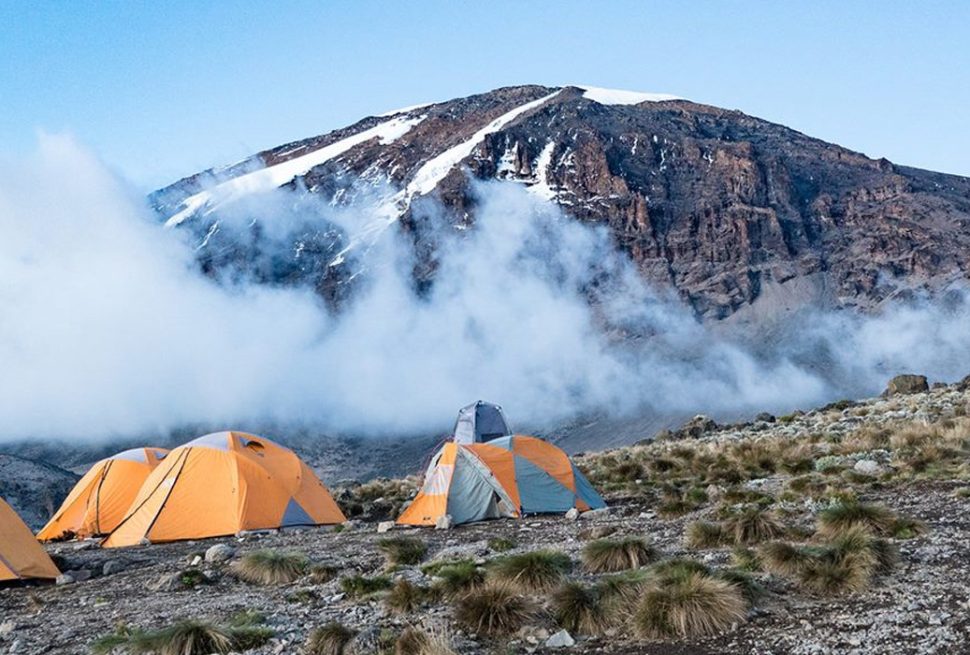
January, February, July, August, and September are the absolute best months to combine both adventures. These months offer clear skies and low precipitation, which are ideal safety conditions for trekking Mount Kilimanjaro and great for wildlife viewing.
Plan Your Dream Tanzania Safari Today!
Now that you know when to visit, it’s time to turn your dream into reality. Whether you want an affordable budget camping safari during the dry season or a quiet green season getaway, our local experts at Kilimanjaro and Safaris Africa are ready to craft a tailor-made itinerary just for you.
We accept secure international payments via PesaPal and Sendwave to make your booking process completely smooth and hassle-free.