
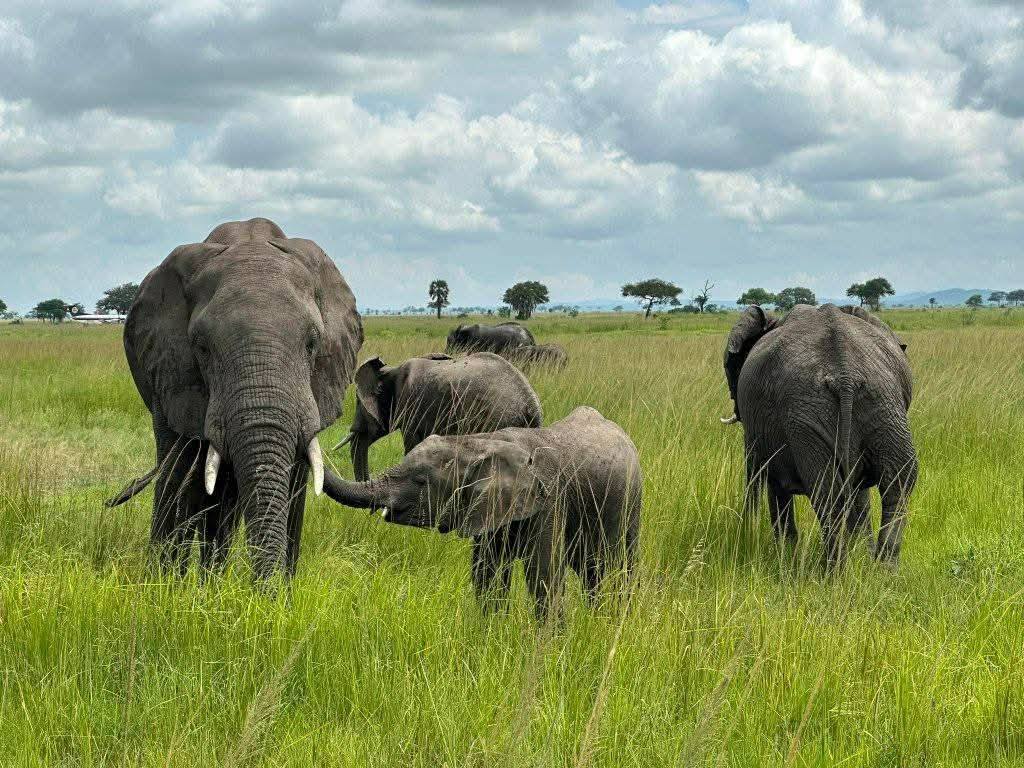
1-Day Tarangire Giant Elephants Safari: Full-Day Day Trip
Book a 1 day tarangire safari with Climb Kilimanjaro and Safaris. Experience massive elephant herds, iconic baobab trees, and rich wildlife in 4×4 Land Cruisers.
- Hotel in Arusha
- 4x4 land cruiser safari vehicle with pop up roof
- Safari Game Drive
- Easy to Moderate
- English, Dutch, France, German, Chinese, Spanish, Russian
- Professional Safari Game Driver
- June to December
- Lunch Box
- Bottle of 1.5 ltr
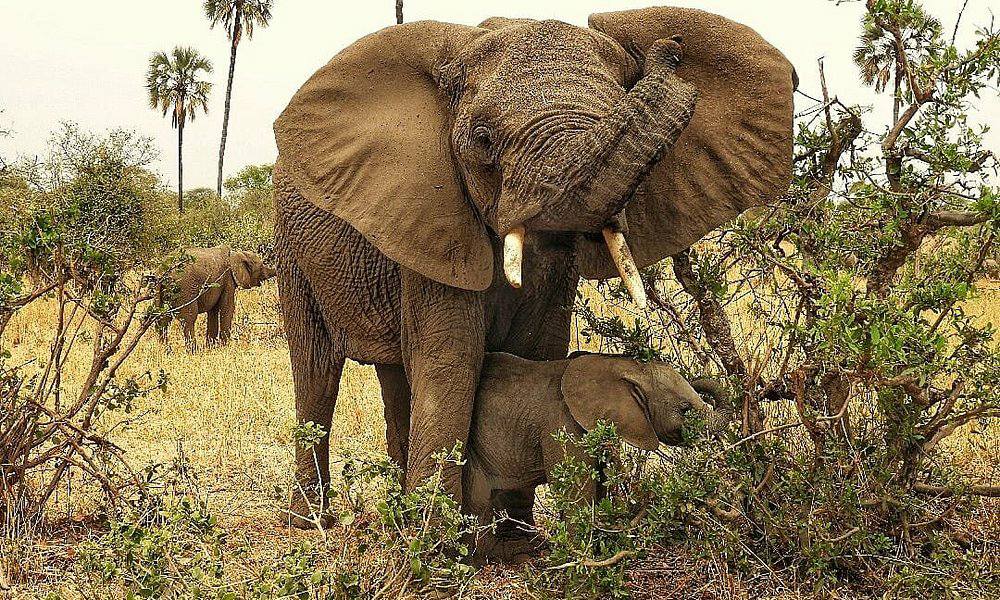
This exhilarating 1-day safari offers a concentrated dose of the African wild, focusing on the “Land of Giants.” Tarangire National Park is famous for having the largest concentration of elephants in the world and the iconic, ancient Baobab trees that dot the landscape. Beyond the standard game drive, this experience is designed to immerse you in the raw beauty of the Tarangire River ecosystem, where wildlife gathers in spectacular numbers.
Overview
Transport: Private 4×4 Safari Land Cruiser with Pop-up Roof.
Destination: Tarangire National Park.
Duration: 1 Day (Full Day).
Experience: Big Game Viewing & Baobab Landscape Photography.
Accommodation: None (Day Trip – Return to Arusha/Moshi).
Highlights
- The Elephant Kingdom: Encounter massive herds of elephants roaming the riverbeds.
- Iconic Baobab Trees: Marvel at the "Upside-Down Trees" that are over 1,000 years old.
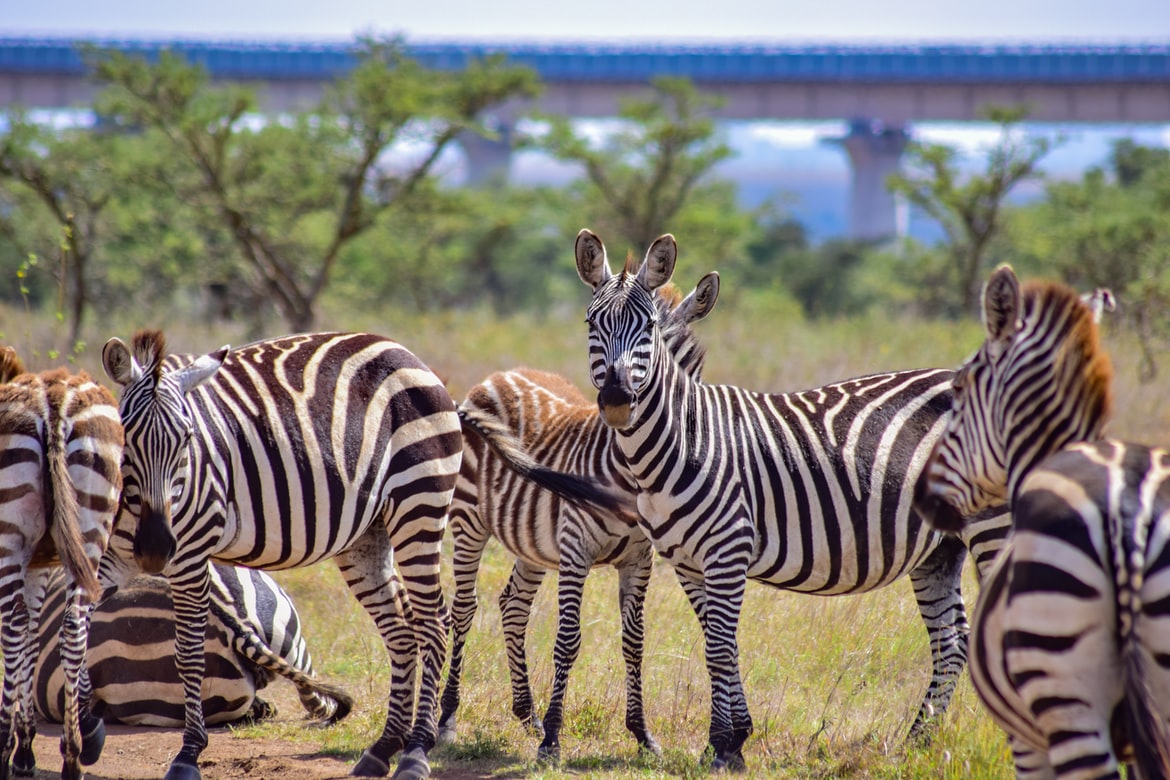
- Tarangire River Hub: Witness a dramatic gathering of zebras, wildebeests, and predators.
- Bird Watcher’s Paradise: Spot over 500 species of birds in the diverse swamp ecosystems.
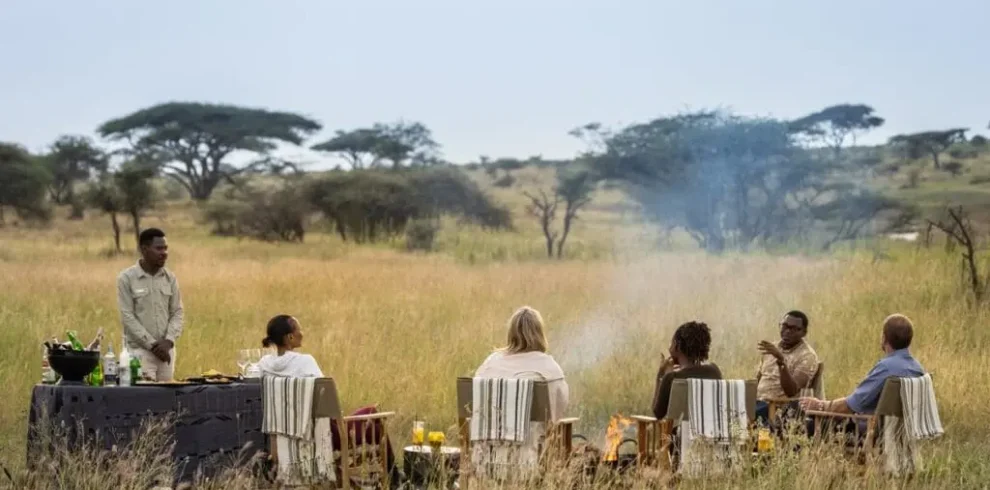
This 1-day journey is strategically designed to maximize your time in the heart of the wilderness. Your adventure begins with an early departure, leaving the urban noise behind for the rhythmic sounds of the savannah. From the moment you enter the park gate, you transition from an observer to a witness of nature’s daily drama. From tracking lions in the golden grass to enjoying a gourmet picnic lunch overlooking the Tarangire River, this itinerary balances thrill with comfort, ensuring a profound connection to Tanzania's wild heritage.
- Start Point: Arusha
- Distance: 120 km (From Arusha)
- Time Taken: 2.5 Hours (Drive to Park)
- Meals: Picnic Lunch & Refreshments
- Weather: Sunny / Savannah (Altitude 1,100m)
Itinerary Description: Your day begins with a private pick-up at dawn. After a scenic drive through the Maasai Steppe, you arrive at Tarangire National Park. The morning is spent exploring the river circuits where predators like lions and leopards often linger. After a midday "Bush Picnic" at a scenic viewpoint, you head deeper into the Silale Swamp, famous for its lush greenery and buffalo herds. As the golden hour approaches, capturing the silhouettes of elephants against the Baobab trees, you begin your journey back, arriving at your hotel in the evening.
- Professional Guides: Expert English-speaking driver-guide with deep knowledge of wildlife.
- Transportation: Private 4x4 Safari Land Cruiser with a pop-up roof for 360° viewing.
- All Fees: National Park entry fees and transit fees.
- Full Day Catering: Gourmet picnic lunch box, snacks, and unlimited purified drinking water.
- Accommodation: Pre and post-tour hotel stay.
- Alcoholic Beverages: Available upon special request at an extra cost.
- Gratuities: Tips for your safari guide (Recommended: $20-$30 per day).
Frequently Asked Questions
Tanzania Safaris FAQ's
The best time for general wildlife viewing is during the long dry season from late June to October. The vegetation is thin, making animals much easier to spot, and wildlife concentrates heavily around permanent water sources.
For the Great Migration River Crossings: Target July to August in the northern Serengeti.
For Calving/Birthing Season: Target January to February in the southern Serengeti (Ndutu area).
For Birding: The "Green Season" (November to April) brings lush landscapes and migratory birds.
Yes, Tanzania is widely considered one of the safest and most stable countries in Africa. The safari industry is highly professionalized. While in the national parks, experienced guides manage all wildlife encounters safely. As with any global travel, basic common sense applies when visiting major towns or transit hubs—such as keeping valuables secure and staying with registered guides.
Most international passport holders do require a tourist visa.
Cost: $50 USD for most nationalities; $100 USD for US citizens.
How to apply: It is highly recommended to apply online in advance via the official Tanzanian Immigration e-visa portal to avoid long queues. Alternatively, it can be purchased as a Visa on Arrival at major entry hubs like Kilimanjaro International Airport (JRO).
Routine Health: Ensure your routine vaccines (Tetanus, Polio, Hepatitis A & B) are up to date.
Malaria: Most safari destinations sit in malaria zones. Travelers should consult a doctor or travel clinic to get the appropriate malaria prophylaxis (preventative medication) before traveling.
Yellow Fever: A Yellow Fever vaccination certificate is mandatory if you are arriving from or transiting through a country where Yellow Fever is endemic.
Your choice depends entirely on your travel circuit:
Kilimanjaro International Airport (JRO): The definitive gateway for the famous Northern Circuit (Serengeti, Ngorongoro Crater, Tarangire, Lake Manyara) and Mount Kilimanjaro climbs.
Julius Nyerere International Airport (DAR) in Dar es Salaam: Best if you are exploring the Southern Circuit (Nyerere/Selous, Ruaha) or connecting directly to the coast.
Abeid Amani Karume International Airport (ZNZ): The primary hub if you are heading straight to the beaches of Zanzibar.
The key is to pack light (especially since domestic safari bush flights have strict luggage limits of 15 kg / 33 lbs in soft-sided bags) and wear layers.
Colors: Stick to neutral, earthy tones (khaki, tan, olive green, beige). Avoid bright colors, dark blue, and black—dark blue and black attract tsetse flies, while bright whites make you stand out too much to wildlife.
Clothing: Long-sleeved shirts and lightweight trousers to protect against mosquitoes and sun. Bring a warm fleece or jacket; early morning game drives can be surprisingly cold.
Essentials: High-SPF sunscreen, insect repellent containing DEET, a wide-brimmed sun hat, sunglasses, good binoculars, and a quality camera with a zoom lens.
Tanzania's parks are grouped geographically into two main regions:
| Circuit | Key Parks | Vibe & Experience |
| Northern Circuit | Serengeti, Ngorongoro Crater, Tarangire, Lake Manyara | Home to the iconic landscapes, the Great Migration, and high concentrations of wildlife. It features excellent infrastructure but sees significantly more tourist traffic. |
| Southern Circuit | Nyerere National Park (formerly Selous), Ruaha, Mikumi | Offers a wilder, more remote, and exclusive feel. Massive, untamed wilderness areas with fewer crowds and excellent opportunities for walking safaris and boat safaris. |
Absolutely. A safari can be an incredibly enriching, educational experience for families. However, most operators recommend a minimum age of 6 to 8 years old. Safari days involve long hours of sitting quietly in a vehicle, bumpy dirt roads, and early mornings, which can be challenging for toddlers. Additionally, certain walking safaris or specific eco-lodges enforce a strict age limit for safety reasons.
Currency: The official currency is the Tanzanian Shilling (TZS), but US Dollars (USD) are incredibly widely accepted for tourist services, park fees, and at lodges. Crucial Note: Make sure your USD bills are printed in 2009 or later, and are free of tears or heavy marks, as older or damaged bills are rejected by local banks.
Tipping: Tipping is a customary and highly appreciated way to reward the hard work of your safari crew. As a general industry standard guideline:
Safari Driver-Guide: $20 - $30 USD per day (total from the vehicle group).
Camp/Lodge Staff: $10 - $20 USD per day (placed in the communal staff tip box).
Wildlife is most active when temperatures are cool, so the daily rhythm revolves around the sun:
06:00 AM: Early wake-up call with tea or coffee, followed by a departure for an early morning game drive just as the bush wakes up (this is prime time for spotting predators on the move).
09:30 AM: Return to the lodge or bush camp for a hearty breakfast/brunch.
Mid-Day: Relax at the lodge, swim, read, or rest during the heat of the day when animals rest under thick shade.
03:30 PM: Head out for an afternoon game drive as the temperature drops, often stopping for a classic "sundowner" drink in the bush to watch the sunset.
07:00 PM: Return to camp for a warm shower, drinks around the campfire, and a multi-course dinner.
The Great Migration is the largest synchronized movement of wildlife on earth, where over 1.5 million wildebeest, along with hundreds of thousands of zebras and gazelles, move in a continuous clockwise cycle between Tanzania and Kenya. It is not a single event but a year-round pilgrimage driven entirely by rainfall patterns, as the herds constantly search for fresh grazing pasture and water.
The dramatic river crossings—where herds plunge into waters filled with crocodiles—typically take place from late July to October.
The Location: This happens in the Northern Serengeti at the Mara River and Grumeti River.
Note for Planning: Witnessing a crossing requires patience, as the herds can gather on the banks for hours or even days before the first animal takes the leap.
Because the migration is continuous, the herds can be found in different sections of the Serengeti throughout the year:
January to March: Southern Serengeti (Ndutu area) for the calving season.
April to May: Western Corridor and Central Serengeti (Seronera) as the herds move north during the rainy season.
June to July: Transitioning through the Western and Northern Serengeti towards the rivers.
November to December: Moving back south through the eastern Serengeti to start the cycle again.
The calving season takes place between late January and February in the southern plains of the Serengeti and Ngorongoro Conservation Area (Ndutu). During a short 2-to-3 week window, around 8,000 wildebeest calves are born every single day. This massive influx of vulnerable young action attracts incredibly high numbers of predators (lions, cheetahs, leopards, and hyenas), making it an exceptional time for dramatic wildlife viewing.
No, you do not need to worry about booking anything yourself. When you book your safari itinerary with us, everything is fully included from start to finish.
Attempting to book lodges or mobile camps on your own can be significantly more expensive. As a registered tour operator, we have exclusive standard tour operator rates with all the top lodges and camps across the Serengeti. Because of these established partnerships, the overall cost is lower when booking through us compared to booking the exact same accommodations independently. We handle all the logistics, securing the best spots near the migration action while saving you money.